The FDA PreCheck Pilot Program aims to strengthen U.S. domestic drug manufacturing through regulatory engagement, manufacturing readiness, and advanced production.
The U.S. Food and Drug Administration (FDA) PreCheck Pilot Program signals a new approach to pharmaceutical manufacturing oversight.
Rather than engaging with manufacturers only as products approach approval or facilities prepare for inspection, the programme encourages earlier collaboration to strengthen manufacturing readiness, quality systems, and operational maturity.
Image
What Is the FDA PreCheck Pilot Program?
The FDA PreCheck Pilot Program is a voluntary initiative that enables selected pharmaceutical manufacturers to engage with U.S. Food and Drug Administration (FDA) experts during facility development and manufacturing preparation.
Launched as part of the FDA's wider efforts to support domestic U.S. drug manufacturing, the pilot reflects the recognised fact that resilient pharmaceutical supply chains begin long before commercial production.
As advanced manufacturing technologies, biologics, and personalised medicines continue to reshape the industry, regulators are placing greater emphasis on helping manufacturers build robust production capabilities from the outset.
Unlike a pre-approval inspection, the programme is not designed to assess regulatory compliance before a product reaches the market.
Instead, the FDA Precheck Pilot Program provides an opportunity for manufacturers to discuss facility design, manufacturing processes, quality systems, digital technologies, and operational readiness while production capabilities are still being established.
Rather than identifying issues after manufacturing systems have been implemented, the FDA is exploring whether earlier regulatory engagement can help manufacturers address potential challenges before they affect commercial production or inspection outcomes.
In many respects, the Precheck programme extends the principles of Quality-by-Design beyond product development and into pharmaceutical manufacturing itself, encouraging quality, consistency, and operational excellence from the earliest stages of facility planning.
“This is one of the riskiest industries there is because you're dealing with human lives, you're dealing with experimental protocols, and you're dealing with regulatory bodies where you might not get another shot at that clinical trial."
Image
Why Is the FDA Changing Its Manufacturing Approach with Its Precheck Pilot Program?
The FDA has consistently emphasised the importance of strengtheningU.S.domestic drug manufacturing while supporting the adoption of advanced pharmaceutical manufacturing technologies.
Recent medicine shortages, supply chain disruption, and increasing reliance on overseas manufacturing have highlighted the need for more resilient production capacity within the United States.
At the same time, modern medicines, particularly biologics and advanced therapies, require increasingly sophisticated manufacturing environments supported by digital systems, automation, and robust quality management.
The FDA PreCheck Pilot Program reflects this changing pharma landscape.
Rather than viewing manufacturing solely as the final stage of product development, the agency is encouraging manufacturers to integrate quality, operational readiness, and regulatory thinking much earlier in the process.
For industry, this represents a shift from reactive inspection preparation towards proactive manufacturing readiness, where quality systems and operational capability are developed alongside the medicine itself.
Seven FDA PreCheck Pilot Participants
The FDA has selected seven organisations to participate in the inaugural PreCheck Pilot Program, representing a diverse cross-section of modern pharmaceutical manufacturing.
The seven PreCheck pilot participants include innovator pharmaceutical companies, biologics manufacturers, and contract development and manufacturing organisations (CDMOs).
The participants reflecting the broad range of manufacturing models that support today's pharmaceutical industry.
Participants include Eli Lilly, FUJIFILM Diosynth Biotechnologies, Genentech, Amgen, Regeneron, National Resilience, and Thermo Fisher Scientific.
The selection is significant because it extends beyond traditional pharmaceutical production.
Several participants are recognised for their investments in biologics, advanced manufacturing technologies, and large-scale contract manufacturing, areas that are becoming increasingly important as therapies grow more complex.
Rather than focusing on one manufacturing model, the pilot enables the FDA to evaluate how earlier regulatory engagement performs across diverse medicinal production environments.
The insights gained from the FDA PreCheck pilot help shape future approaches to manufacturing readiness, operational excellence, and regulatory collaboration across the wider pharmaceutical industry.
Why the U.S. Is Moving Pharma Manufacturing Regulatory Oversight Upstream
The FDA PreCheck Pilot Program reflects a broader shift in how pharmaceutical manufacturing is viewed.
Historically, manufacturing readiness was often considered a milestone reached towards the end of product development. Today, it is increasingly recognised as a strategic capability that can influence launch timelines, product quality, and long-term supply resilience.
This is particularly true for biologics and advanced therapies. Manufacturing monoclonal antibodies, cell therapies, gene therapies, and other complex biological products requires highly specialised facilities, sophisticated process controls, and mature quality management systems.
Delays in facility readiness or process validation can have significant commercial consequences, even when clinical development remains on schedule.
Earlier regulatory engagement offers manufacturers an opportunity to identify operational risks before they become compliance issues.
Regulatory engagement supports stronger collaboration between Technical Operations, Quality, Manufacturing, and Chemistry, Manufacturing, and Controls (CMC) teams, creating a more integrated approach to commercial readiness.
As pharmaceutical production becomes increasingly digital, incorporating automation, continuous manufacturing, advanced analytics, and AI-enabled monitoring, manufacturing excellence is becoming a key differentiator rather than simply a regulatory requirement.
Image
What Does the FDA PreCheck Pilot Program Mean for the Future of U.S. Pharm Manufacturing?
The FDA has been clear that the PreCheck Pilot Program is not intended to replace existing inspections or alter regulatory standards.
Instead, the programme represents a more proactive approach to supporting manufacturers as facilities and production systems become increasingly complex.
Earlier collaboration with regulators has the potential to improve manufacturing readiness, strengthen quality systems, reduce avoidable delays, and support more resilient domestic production.
While the long-term outcomes of this programme remain to be evaluated, it signals a growing recognition that manufacturing strategy should be developed alongside product strategy, not after it.
As investment in U.S. domestic manufacturing, advanced production technologies, and biologics continues to grow, initiatives such as PreCheck may become an increasingly important component of modern pharmaceutical Technical Operations.
At Pharmatica, we examine the regulatory developments, manufacturing innovations, and operational strategies shaping the future of pharmaceutical production. Our independent analysis helps Technical Operations leaders understand how quality, technology, and regulatory science are transforming medicine manufacturing.
Pharmatica: Insight. Connection. Impact.
Frequently Asked Questions
What is the FDA PreCheck Pilot Program?
The FDA PreCheck Pilot Program is a voluntary initiative that allows selected pharmaceutical manufacturers to engage with FDA experts during facility development to improve manufacturing readiness before commercial production and formal regulatory inspections.
How is the FDA PreCheck Pilot Program different from a pre-approval inspection?
Unlike a pre-approval inspection, the FDA PreCheck Pilot Program focuses on early collaboration rather than compliance assessment. It helps U.S. manufacturers strengthen facility design, quality systems, manufacturing processes, and operational readiness before products enter commercial manufacturing.
Why is the FDA investing in domestic U.S. drug manufacturing?
The FDA is supporting domestic U.S. drug manufacturing to strengthen pharmaceutical supply chain resilience, encourage investment in advanced manufacturing technologies, and improve the long-term reliability of medicine production within the United States.
Why are biologics manufacturers likely to benefit from the PreCheck Pilot Program?
Biologics manufacturers operate complex production facilities that require advanced process controls and rigorous quality management. Earlier engagement with the FDA can help strengthen manufacturing readiness and reduce operational risks before commercial production begins.
Could the FDA PreCheck Pilot Program change the U.S. pharmaceutical manufacturing system?
The The FDA PreCheck Pilot Program is unlikely to replace existing U.S. inspection processes, but it signals a broader shift towards earlier regulatory collaboration. This proactive U.S. approach could help manufacturers improve operational maturity, manufacturing readiness, and quality management while supporting more resilient pharmaceutical production.
Nicole (BSc Molecular Medicine, Honours Medical Biochemistry) has many years of pharmaceutical experience, having worked for top CROs and biopharma companies for more than a decade.
Did you enjoy the content?
2
Why not support
Nicole Dale
by giving this content a like
Anthropic's new drug discovery programme marks a strategic shift from sole AI software provider to active R&D participant. Here's what it means for pharmaceutical innovation.
Anthropic’s Gates Foundation Partnership and Healthcare AI
See how Anthropic's Gates Foundation partnership and Long-Term Benefit Trust could lead the way in shaping responsible AI governance across healthcare innovation.
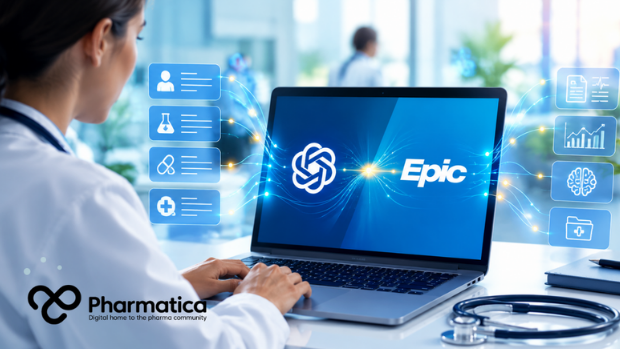
AI in Healthcare: OpenAI and Epic Integration Connects EHRs
OpenAI and Epic integration brings AI healthcare into EHR workflows, connecting patient records with ChatGPT for Healthcare to advance research and patient care.
<p>Founded in 2004, Ametris (formerly ActiGraph) is a global digital health solutions provider transforming real-world patient data into validated clinical evidence. Our end-to-end platform combines advanced wearables, regulatory-aligned analytics, and expert scientific support across every phase of a clinical trial. We serve leading pharmaceutical, biotech, and public health research organizations worldwide, backed by two decades of experience and a collaborative, science-first approach.</p><p>In 2026, Ametris joined Signant Health, uniting wearable-derived digital outcome measures with industry-leading eCOA solutions to give sponsors a single partner for integrated evidence generation, combining continuous sensor data with patient-reported outcomes.</p>
Image
Clinical Development
<p><a href="https://www.medidata.com/en/">Medidata </a>has been powering smarter treatments and healthier people by supporting clinical trials through groundbreaking technological innovations for over 25 years. Medidata is a leader in AI-powered solutions across the entire trial lifecycle to accelerate clinical breakthroughs, reduce patient and site burden, and bring new therapies to market faster. Supported by one of the largest clinical datasets in the industry of more than 38,000 trials and 12 million patients, Medidata's <a href="https://www.medidata.com/en/experiences/study-experience/">Study</a>, <a href="https://www.medidata.com/en/experiences/patient-experience/">Patient</a>, and <a href="https://www.medidata.com/en/experiences/data-experience/">Data</a> Experiences are trusted by more than 1 million registered users across approximately 2,300 customers. A Dassault Systèmes brand (Euronext Paris: FR0014003TT8, DSY.PA), Medidata is headquartered in New York City and is recognized as a leader by Everest Group and IDC. Discover more at <a href="https://www.medidata.com/">www.medidata.com</a><strong>. </strong>Listen to our latest podcast, <a href="https://www.medidata.com/en/from-dreamers-to-disruptors-podcast/"><em>from Dreamers to Disruptors</em></a>,<strong> </strong>and follow us at @medidata-solutions on LinkedIn.</p>


















Comments (0)