From gut hormones to global therapeutics, GLP-1 drug discovery transformed obesity treatment through peptide engineering and incretin biology translation.
GLP-1 drug discovery has become one of the largest recent defining success stories of pharmaceutical R&D.
What began as research into a naturally occurring gut hormone has evolved into an entire therapeutic class that is transforming obesity treatment and metabolic disease.
Image
How GLP-1 Drug Discovery Changed Obesity Research
For decades, obesity drug development was characterised by limited efficacy, safety concerns, and frequent commercial disappointment.
Many early therapies focused on suppressing appetite through central nervous system pathways, often producing undesirable cardiovascular or psychiatric side effects.
The discovery of glucagon-like peptide-1 (GLP-1) fundamentally changed this direction.
Researchers identified GLP-1 as an incretin hormone released by intestinal L-cells following food intake.
Rather than acting through a single mechanism, GLP-1 coordinates several physiological processes involved in energy balance.
These include:
Stimulating glucose-dependent insulin secretion
Reducing glucagon release after meals
Slowing gastric emptying
Increasing satiety through central appetite regulation
This combination offered an entirely different therapeutic strategy. Instead of forcing weight loss pharmacologically, GLP-1 receptor agonists work with the body's own metabolic signalling pathways to improve glycaemic control while reducing calorie intake.
The approach proved particularly attractive because insulin secretion remains glucose dependent, lowering the risk of hypoglycaemia compared with several earlier diabetes treatments.
“This is one of the riskiest industries there is because you're dealing with human lives, you're dealing with experimental protocols, and you're dealing with regulatory bodies where you might not get another shot at that clinical trial."
Image
From Basic Biology to First-Generation Medicines
Turning an endogenous peptide into a viable medicine presented significant pharmaceutical challenges.
Native GLP-1 is rapidly degraded by the enzyme dipeptidyl peptidase-4 (DPP-4), leaving a circulating half-life of only a few minutes. Such instability made direct therapeutic use impractical.
Scientists developed modified GLP-1 receptor agonists capable of resisting enzymatic degradation while maintaining biological activity.
Structural modifications, amino acid substitutions, and fatty acid conjugation extended circulation times dramatically, enabling once-daily and eventually once-weekly dosing.
This progression illustrates an incredibly important lesson.
Successful drug discovery often depends as much on solving delivery and pharmacokinetic challenges as identifying the original biological target.
Rather than discovering an entirely new mechanism, researchers refined an existing physiological pathway into a practical therapeutic platform.
Innovation Continues Beyond GLP-1 Alone
The rapid commercial success of GLP-1 receptor agonists has not slowed innovation. Instead, it has accelerated investment in next-generation incretin therapies.
Current research is expanding beyond single-receptor activation towards multi-target approaches designed to improve efficacy while addressing remaining clinical challenges.
Several strategies are receiving significant attention:
Rather than replacing successful drug classes, drug developers increasingly build successive generations of medicines by improving target engagement, pharmacology, convenience, and patient outcomes.
For obesity, this means the therapeutic landscape is evolving from individual medicines towards an expanding platform of metabolic therapies.
What GLP-1 Drug Discovery Means for Wider Pharmaceutical R&D
The scientific impact of GLP-1 goes well beyond obesity treatment.
Researchers are actively investigating GLP-1 receptor agonists across cardiovascular disease, chronic kidney disease, metabolic dysfunction-associated steatotic liver disease (MASLD), neurodegenerative disorders, and other chronic conditions where metabolism influences disease progression.
Importantly, none of these advances emerged from a single breakthrough.
Instead, decades of incremental scientific progress transformed fundamental endocrine research into one of the pharmaceutical industry's most valuable therapeutic areas.
Image
The Next Chapter for GLP-1 Drug Discovery
The GLP-1 drug discovery story is actually still continuing at a remarkable pace.
Future innovation is likely to focus on combination therapies, precision patient selection, oral peptide technologies, longer-acting formulations, and integrated digital health strategies that improve long-term adherence.
Artificial intelligence, structural biology, and advanced computational modelling are also expected to accelerate optimisation of future incretin-based medicines, helping researchers predict receptor interactions and identify new molecular candidates more efficiently.
However, the greatest lesson from GLP-1 drug discovery may be strategic rather than technological.
GLP-1 development success demonstrates the value of investing in deep biological understanding before pursuing commercial development.
Fundamental research into endocrine physiology ultimately created opportunities that extended far beyond diabetes management, reshaping obesity treatment and opening entirely new therapeutic markets.
For pharmaceutical leaders, GLP-1 drug development illustrates how sustained investment in translational science can generate platforms capable of supporting multiple generations of innovation across diverse disease areas.
At Pharmatica, we examine the scientific discoveries, emerging technologies, and translational strategies shaping the future of pharmaceutical R&D. Our independent analysis helps life sciences professionals understand how foundational biology evolves into transformative therapeutic innovation and long-term competitive advantage.
Pharmatica: Insight. Connection. Impact.
Frequently Asked Questions
What is GLP-1 drug discovery?
GLP-1 drug discovery is the process of developing medicines that mimic or enhance the activity of glucagon-like peptide-1, a naturally occurring hormone that regulates appetite, insulin secretion, and blood glucose levels. These medicines are widely used to treat obesity and type 2 diabetes.
How do GLP-1 receptor agonists help people lose weight?
GLP-1 receptor agonists reduce appetite, slow gastric emptying, and increase feelings of fullness. Together, these effects help lower calorie intake and support clinically meaningful weight loss while improving metabolic health.
Why was peptide engineering important for GLP-1 medicines?
Natural GLP-1 breaks down within minutes in the body. Peptide engineering allowed researchers to create longer-lasting GLP-1 receptor agonists with improved stability, enabling practical once-daily and once-weekly treatments.
What are next-generation incretin therapies?
Next-generation incretin therapies build on GLP-1 drug discovery by targeting multiple metabolic pathways simultaneously. These include dual and triple receptor agonists designed to improve weight loss, glycaemic control, and broader metabolic outcomes.
Why is GLP-1 drug discovery considered a pharmaceutical breakthrough?
GLP-1 drug discovery demonstrated how decades of basic endocrine research, translational science, and peptide engineering could produce an entirely new class of highly effective medicines. Its success has reshaped obesity treatment and influenced drug discovery strategies across multiple therapeutic areas.
Nicole (BSc Molecular Medicine, Honours Medical Biochemistry) has many years of pharmaceutical experience, having worked for top CROs and biopharma companies for more than a decade.
Did you enjoy the content?
4
Why not support
Nicole Dale
by giving this content a like
Trisha Pillay speaks with Adriaan Kruger, CEO of nuvoteQ, as they unpack why clinical research is still heavily reliant on paper-based systems in many regions.
How Pharmacy Innovation Is Changing Healthcare Delivery
Pharmacy is emerging as a critical but overlooked route to faster patient access. In this episode of Digital Pulse, Judit Mora explains how innovation, digital workflows, and pharmacy-led models can bypass traditional delays in healthcare delivery.
First Quarter 2026 State of Digital Health Funding
Digital health funding hit $7.4B in Q1 2026, the highest since Q2 2022. The CB Insights State of Digital Health report reveals where capital is concentrating and why it matters for pharma leaders.
Europe’s Life Sciences Strategy. A New Era of Innovation?
The new European Life Sciences Strategy aims to accelerate pharmaceutical innovation through investment, regulatory reform, biotechnology, and AI capabilities.
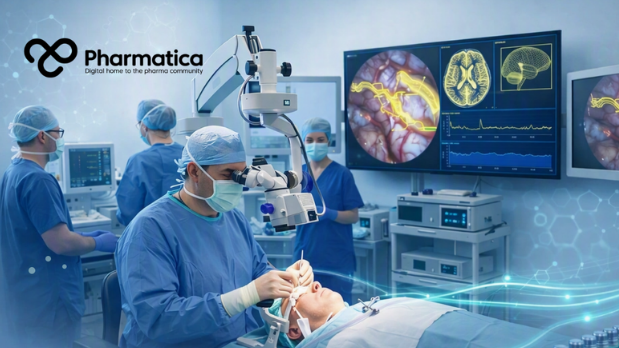
In the world’s first, London surgeons have used real-time AI to protect a patient's sight during live brain surgery. See what the trial’s AI framework means for MedTech.









Comments (0)