
Libre Duo FDA Authorisation Through De Novo Pathway

Abbott’s Libre Duo FDA authorisation creates a new Class II device category, combining glucose and ketone monitoring while setting a regulatory path for future devices.
The Libre Duo FDA authorisation means more than a new wearable for diabetes management. Abbott’s dual glucose-ketone system shows how a novel medical device can move through the U.S. FDA De Novo pathway while establishing a new device category, performance expectations, and regulatory controls.
Why the Libre Duo FDA Authorisation Matters
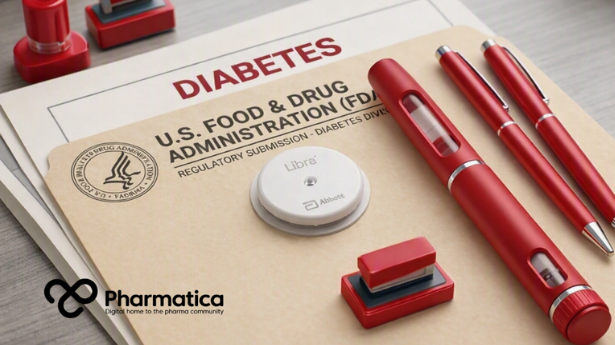
The Food and Drug Administration (FDA) authorised Abbott Diabetes Care’s Libre Duo 10 Day Continuous Dual Glucose Ketone Monitoring System on 25 August 2026 for people aged two years and older with diabetes.
It is the first wearable authorised in the U.S. to continuously monitor ketones and the first globally to combine continuous glucose and ketone monitoring in one device.
The interest sits in the regulatory architecture behind the product.
Continuous glucose monitoring is an established medical device category, while continuous ketone monitoring was different. Abbott therefore could not simply rely on an existing product classification.
The FDA granted Breakthrough Device designation before reviewing the product. This designation came through the De Novo premarket pathway.
The regulatory agency then created a new Class II device category for integrated continuous glucose ketone monitoring systems.
For future developers, the decision establishes a regulatory framework that other manufacturers may be able to use when developing devices with similar characteristics.

Maximise Pharma Innovation With Quality-by-Design
Find out how Quality-by-Design improves reliability and compliance in pharma and how you can maximise innovation through quality-based pharma development systems.
What Abbott Submitted to the FDA for Libre Duo
The FDA received Abbott Diabetes Care’s De Novo request on 29 September 2025 under De Novo number DEN250049. The agency granted the request on 25 August 2026.
The device is classified as an integrated continuous glucose ketone monitoring system, under 21 CFR 862.1354 and product code SJD.
The submission had to address more than sensor accuracy.
The FDA’s classification order establishes special controls covering:
- Clinical performance across the intended population and measurement range
- Comparisons with accepted laboratory glucose and blood ketone methods
- Performance throughout the sensor wear period
- Data transmission and communication reliability
- Manufacturing and product-release controls
- Interfering substances, including foods, supplements, metabolites, and medicines
- Usability and safe operation
- Labelling of accuracy, data gaps, alert performance, and sensor life
This is important for this kind of medical device submissions.
A novel sensor needs to prove not just that the underlying technology works, but also must demonstrate that the complete system performs reliably within its intended use.
The FDA also established quantitative performance expectations for glucose and ketone measurements, including requirements around accuracy, rate of change, data availability, and clinically meaningful separation of ketone readings.

The Device Changes Chronic Disease Monitoring Models
Libre Duo measures glucose and beta-hydroxybutyrate in interstitial fluid every minute. The sensor can transmit readings wirelessly to a compatible smartphone, where users can see current values and trends.
The device is designed to provide up to 10 days of wear.
The regulatory significance comes from combining two different biological signals in one continuous monitoring workflow.
Glucose control remains central to diabetes management. Ketones provide another measurement that can indicate rising risk of diabetic ketoacidosis (DKA), a serious complication that can occur if blood glucose is poorly managed.
Traditional ketone testing provides discrete measurements rather than continuous trends. On the other hand, Libre Duo is designed to identify rising ketone levels in the background and generate alerts when readings reach defined thresholds.
The FDA reviewed data from six clinical studies involving more than 600 participants. The evidence showed that the system accurately tracked clinically meaningful ketone differences across its wear period and identified elevated ketone levels before DKA developed.
That evidence package supported the specific intended use; however, it does not mean the device eliminates the need to interpret readings alongside symptoms and glucose levels.

The Big Regulatory Signal for MedTech
The most important lesson from the Libre Duo authorisation for medical device developers is not simply that Abbott received authorisation.
The FDA used the De Novo process to define the controls for an emerging technology category.
The classification order identifies the principal risks. These include incorrect glucose or ketone readings, misleading trends or alerts, user misunderstanding, and loss of sensor or connected-device data.
The FDA then connects those risks to evidence requirements.
This creates a regulatory model in which performance, software-connected data, usability, manufacturing, labelling, and post-market obligations form one evidence system.
The decision also has implications for connected-device strategies. The device is intended to communicate with digitally connected systems, including technologies used for diabetes management.
Abbott is already developing integrations with automated insulin delivery platforms. That creates a wider commercial opportunity, but it also increases the importance of reliable data transmission and system-level performance.
For MedTech, the Libre Duo FDA authorisation clearly shows that regulatory strategy needs to begin with the intended use ecosystem, not just the sensor.
The Looming Threat of Geopolitical Risk in Clinical Supply Chains
Geopolitical risk is reshaping how clinical supply chains are managed, demanding resilience and foresight. Learn why building supply chain resilience is the key for clinical trial success.

Libre Duo Authorisation Should Provide Future Regulatory Clarity
The Libre Duo regulatory decision shows how successful device development increasingly depends on connecting technology, evidence, regulatory classification, and lifecycle control from the start.
Moreover, Libre Duo FDA authorisation demonstrates how regulatory submissions can become category-defining events.
Abbott entered a market with an established glucose-monitoring framework but a less mature regulatory model for continuous ketone sensing. The FDA response created a Class II category, defined special controls, and established a pathway for subsequent devices of the same generic type.
That could reduce uncertainty for future developers while raising the evidence bar.
For companies developing connected wearables, biosensors, or other digital health technologies, the next development questions are therefore broader than whether a device can measure a biomarker.
They include: What is the intended use? What clinical decision will the data support? How will performance be demonstrated across the target population? What happens when the data fail? And how will the device behave when integrated into a wider digital care system?
At Pharmatica, we track the regulatory systems shaping medical technology alongside the science and commercial strategies behind them.
Pharmatica: Insight. Connection. Impact.
Frequently Asked Questions
What is the Libre Duo 10 Day?
Libre Duo 10 Day is Abbott’s continuous dual glucose and ketone monitoring system for people aged two years and older with diabetes.
How did Abbott obtain FDA authorisation for Libre Duo?
Abbott submitted a De Novo request, DEN250049, which the FDA granted on 25 August 2026 following review of clinical and performance evidence.
What is the FDA De Novo pathway?
The De Novo pathway allows the FDA to classify novel medical devices for which no legally marketed predicate provides a suitable basis for classification.
What special controls apply to Libre Duo?
The FDA established controls covering clinical performance, sensor accuracy, data transmission, manufacturing, usability, interfering substances, sensor life, alerts, and labelling.
Why is the Libre Duo FDA decision important for MedTech?
It establishes a new Class II regulatory category for integrated continuous glucose ketone monitoring systems, creating a framework that may influence future medical device submissions.
About the author
Did you enjoy the content?
Why not support Nicole Dale by giving this content a like








Comments (0)