Eli Lilly’s acquisition of AtaiBeckley — a psychedelic biotech backed by Peter Thiel — marked a watershed moment in pharmaceutical innovation last week.
Beyond the headlines and debate, the collision of HealthTech, artificial intelligence, and next‑generation therapeutics shows how major pharma players are recalibrating their strategies.
Why AtaiBeckley Offered Unique Investment Potential
AtaiBeckley has been at the forefront of psychedelic research, exploring compounds with potential to treat depression, PTSD, and addiction.
Its unique positioning came not only from its scientific portfolio but also from its integration of AI‑driven platforms to accelerate discovery and trial design.
For potential investors, this combination reduced risk in an otherwise volatile sector.
The $2.8 billion acquisition now provides Eli Lilly with both a pipeline of novel compounds and a digital infrastructure to support rapid development.
Therefore, AtaiBeckley’s acquisition was not just about acquiring molecules but about acquiring data streams that can be harnessed through machine learning.
Firms that can integrate bioinformatics, clinical trial data, and regulatory pathways into predictive models will be positioned to dominate the next wave of psychiatric therapeutics.
AI as the Catalyst for Psychedelic R&D
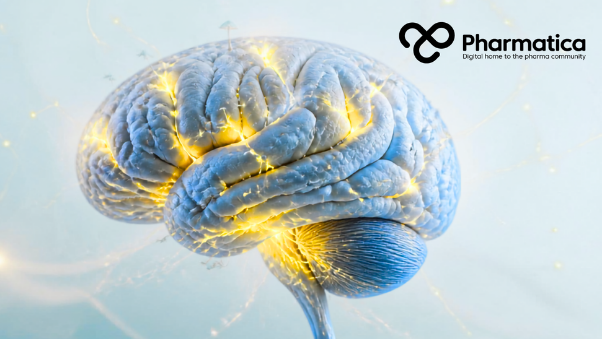
Psychedelic compounds have long been studied for their potential in being therapies for treatment-resistant depression, PTSD, and addiction.
What has changed is the computational horsepower now available to model, predict, and accelerate drug discovery. AI platforms can simulate receptor binding, forecast patient response, and optimise trial design far faster than traditional methods.
For investors, this reduces uncertainty and compresses timelines, which were two of the biggest barriers in psychedelic drug development.
The Venture Capital Aspect in Biotech
Peter Thiel’s early backing of AtaiBeckley underscored the venture capital appetite for disruptive biotech.
Eli Lilly’s move now backs up that appetite at the highest level. The acquisition proves that psychedelic biotech and the likes could be important strategic assets for big pharma. Investment decisions must now weigh digital infrastructure as heavily as molecular innovation.
View interview How Should Pharma Companies Audit AI Vendors?
How Should Pharma Companies Audit AI Vendors?
“This is one of the riskiest industries there is because you're dealing with human lives, you're dealing with experimental protocols, and you're dealing with regulatory bodies where you might not get another shot at that clinical trial."
Investment Dynamics: Risk, Reward, and Regulation
The psychedelic biotech sector remains fraught with regulatory hurdles.
Clinical trials face heightened scrutiny, and reimbursement pathways are still unclear.
Yet investors are increasingly willing to take calculated risks, particularly when AI can provide a clearer picture of potential outcomes.
Eli Lilly’s AtaiBeckley acquistion underscores that capital is flowing into companies that combine novel science with digital infrastructure.
Investment decisions are no longer about molecules alone; they are about platforms. A biotech firm with a promising compound but no AI integration is now seen as incomplete.
Conversely, a company that can demonstrate algorithmic insights into patient stratification or trial optimisation is perceived as lower risk, even in a controversial therapeutic area.
HealthTech’s Expanding Role in Mental Health
Mental health remains one of the most underserved domains in global healthcare.
Digital therapeutics, wearable monitoring, and AI‑driven diagnostics are already reshaping patient pathways.
Psychedelic biotech, when paired with these technologies, could create entirely new models of care.
Backers like Thiel can imagine a patient monitored via wearable EEG, stratified by AI algorithms, and treated with a personalised psychedelic regimen.
With Eli Lilly’s scale, such scenarios move closer to reality.
HealthTech adoption in psychiatric care is accelerating, with pharma firms increasingly partnering with AI startups to de‑risk clinical development.
AI in CNS Drug Discovery and Personalised Psychiatry
For AI in CNS drug discovery, the AtaiBeckley acquisition highlights three things:
- Platform integration: Ensure novel therapeutics are paired with AI capabilities to accelerate development.
- Regulatory foresight: Engage proactively with regulators to shape frameworks for psychedelic and AI‑enabled therapies.
- Partnership models: Build hybrid ecosystems that combine drug development with digital monitoring and diagnostics.
The convergence of biotech and AI is no longer optional; it is becoming the baseline expectation for investors, regulators, and patients alike.
What Eli Lilly’s Acquisition of AtaiBeckley Means
At Pharmatica, we view Eli Lilly’s acquisition of AtaiBeckley as a really pivotal moment.
It demonstrates that HealthTech and AI are now inseparable from the future of pharmaceutical innovation.
Where traditional R&D struggled with uncertainty, AI now offers clarity. Where investment once hesitated, digital infrastructure provides confidence.
Psychedelic biotech may be controversial, but it is also a proving ground for how pharma can integrate AI to unlock new therapeutic frontiers.
Pharmatica: Insight. Connection. Impact.






Comments (0)