
RNA Biosensors for Real-Time Diabetes Detection and Monitoring

RNA biosensors for diabetes could allow earlier diagnosis and better personalised care. Explore the power of AI monitoring and next-generation molecular diagnostics.
Traditional blood glucose testing has always enabled diabetes care, but it still measures the consequence of disease rather than the underlying molecular changes driving it.
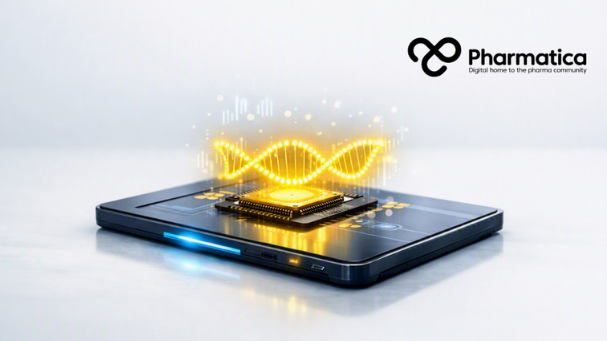
RNA biosensors for diabetes represent an emerging class of diagnostic technologies that could allow earlier detection, continuous disease monitoring, and more personalised treatment by measuring RNA biomarkers linked to glucose regulation, β-cell function, and disease progression.
Why RNA Biomarkers Are Changing Diabetes Diagnostics
Diabetes affects more than 800 million people worldwide, yet diagnosis still relies primarily on fasting blood glucose, oral glucose tolerance tests, and HbA1c measurements.
While these remain clinical standards, they often detect disease only after significant metabolic dysfunction has developed.
RNA molecules provide a more dynamic window into disease biology, and advances in RNA biology, biosensing, and artificial intelligence (AI) are beginning to reshape the future of diabetes diagnostics.
Unlike conventional biomarkers, RNA expression changes reflect real-time alterations in cellular function, inflammation, insulin signalling, and pancreatic β-cell activity.
There are several RNA classes with diagnostic potential for diabetes:
- MicroRNAs (miRNAs) associated with insulin secretion and glucose regulation
- Long non-coding RNAs (lncRNAs) linked to insulin resistance and diabetic complications
- Circular RNAs (circRNAs) involved in β-cell function and glucose homeostasis
- Messenger RNAs (mRNAs) that reveal changes in metabolic pathways and pancreatic activity.
Among the best-studied examples are miR-375, miR-29, H19, and MEG3, all of which show altered expression patterns in patients with diabetes and may support earlier disease detection or risk stratification.
How Should Pharma Companies Audit AI Vendors?
“This is one of the riskiest industries there is because you're dealing with human lives, you're dealing with experimental protocols, and you're dealing with regulatory bodies where you might not get another shot at that clinical trial."

From Laboratory Biomarkers to Real-Time RNA Biosensors for Diabetes
Identifying RNA biomarkers for diabetes is only part of the challenge. The next step is developing practical technologies capable of measuring these molecules rapidly and accurately in clinical settings.
The fastest growing interest is in RNA biosensors, which combine molecular recognition with sensitive detection technologies to identify diabetes-associated RNA signatures from patient samples.
Emerging nanotechnologies, including nanoparticles, nanowires, nanotubes, microfluidics, and CRISPR-based detection platforms such as SHERLOCK and DETECTR, are further improving analytical performance and expanding point-of-care possibilities.

Several detection platforms are being explored:
Hybridisation-based biosensors
These systems detect complementary RNA sequences using fluorescent or electrochemical signals.
Electrochemical biosensors
Electrical signals generated by RNA binding provide highly sensitive measurements suitable for miniaturised diagnostic devices.
Fluorescent biosensors
Optical detection enables rapid identification of specific RNA biomarkers with high analytical sensitivity.
Digital Health and AI Could Unlock Continuous Molecular Monitoring
Most forward-looking analysis is that RNA diagnostics will become significantly more valuable when combined with digital health technologies.
Rather than functioning as isolated laboratory tests, future RNA biosensors could integrate with:
- Wearable biosensors
- Smartphone-connected diagnostics
- Cloud-based clinical platforms
- Telemedicine systems
- Artificial intelligence and machine learning algorithms
Such integration could enable continuous monitoring of molecular disease activity alongside traditional physiological measurements.

AI could analyse complex RNA expression patterns, identify subtle changes associated with disease progression, and support personalised therapeutic decisions.
Combined with wearable technologies, RNA biosensors may eventually move molecular diagnostics beyond the laboratory into routine patient monitoring.
Potential Future Applications
|
Technology |
Potential Clinical Benefit |
|
RNA biosensors |
Earlier disease detection |
|
Wearable monitoring |
Continuous molecular surveillance |
|
AI algorithms |
Personalised risk prediction |
|
Cloud platforms |
Remote disease management |
|
Point-of-care diagnostics |
Faster clinical decision-making |
Clinical Translation Still Faces Important Challenges
Despite considerable progress, RNA-based diagnostics remain a fair distance from being an established clinical standard.
Several barriers must still be addressed before widespread clinical adoption:
- Standardisation of RNA detection methods
- Large-scale clinical validation
- Improved reproducibility across laboratories
- Regulatory approval pathways
- Cost-effective manufacturing
- Integration into routine clinical workflows
RNA biomarkers are unlikely to replace conventional glucose measurements in the near term. Instead, they are expected to complement existing diagnostic tools by providing additional biological insight into disease progression, therapeutic response, and complication risk.
The Next Generation of Precision Diabetes Care: The Rise of Real-Time Molecular Diagnostics
RNA biosensors are part of a broader transition towards precision medicine, where molecular information guides earlier diagnosis and more personalised disease management.
Although most technologies remain in the research or translational phase, advances in RNA sequencing, liquid biopsy platforms, biosensor engineering, AI, and digital health are rapidly accelerating progress.
Future diabetes management may involve continuous monitoring of both glucose levels and molecular biomarkers, offering clinicians a more complete understanding of disease activity than conventional testing alone.
RNA biosensors also illustrate how advances in molecular biology, digital health, and artificial intelligence are converging to create entirely new categories of precision diagnostics.
At Pharmatica, we analyse the scientific innovations reshaping diagnostics, digital health, and precision medicine. From molecular biomarkers and AI-enabled healthcare to next-generation biosensors and translational research, we help life sciences leaders understand which technologies are moving from scientific promise towards clinical reality.
Pharmatica: Insight. Connection. Impact.

Frequently Asked Questions
What are RNA biosensors for diabetes?
RNA biosensors are molecular diagnostic devices that detect RNA biomarkers, including microRNAs and long non-coding RNAs, associated with diabetes. They aim to provide earlier diagnosis and more personalised disease monitoring than conventional glucose tests alone.
How do RNA biomarkers improve diabetes diagnosis?
RNA biomarkers reflect real-time biological changes involved in insulin secretion, inflammation, β-cell function, and glucose metabolism. This information may help identify disease before traditional biomarkers become abnormal.
Can RNA biosensors replace blood glucose testing?
Not currently. The evidence suggests RNA biosensors are more likely to complement existing glucose monitoring by providing additional molecular information that supports diagnosis, disease progression monitoring, and treatment decisions.
How could artificial intelligence support RNA diagnostics?
Machine learning algorithms can analyse complex RNA expression patterns, identify subtle disease signatures, predict progression risk, and help clinicians interpret large molecular datasets more efficiently.
Are RNA biosensors available for routine clinical use?
Most RNA biosensor technologies remain in the research or translational development stage. Larger clinical studies, standardised validation methods, regulatory approval, and scalable manufacturing are still required before widespread adoption.
About the author
Did you enjoy the content?
Why not support Nicole Dale by giving this content a like









Comments (0)