
GLP-1 Obesity Evidence Is Changing Clinical Development

GLP-1 obesity clinical evidence is reshaping drug development as efficacy, safety, cardiovascular outcomes, and treatment durability become critical.
GLP-1 obesity clinical evidence is reshaping drug development as efficacy, safety, cardiovascular outcomes, and treatment durability become critical.
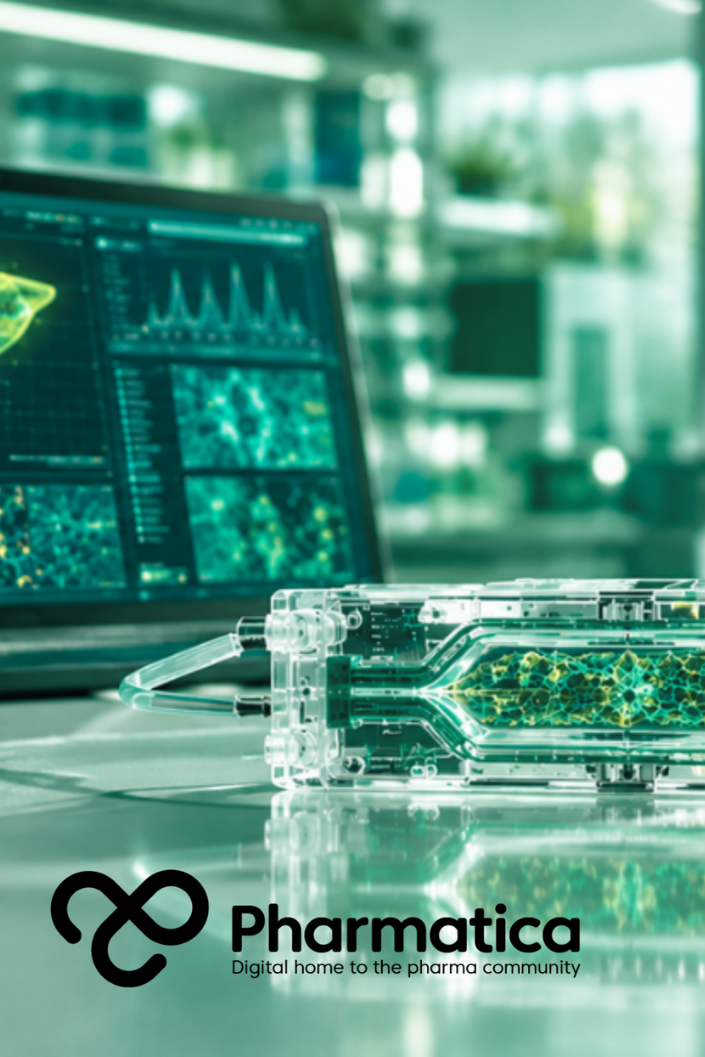
Liver-chip supported drug discovery is moving closer to regulatory acceptance as Emulate advances FDA ISTAND qualification for human-relevant DILI assessment.
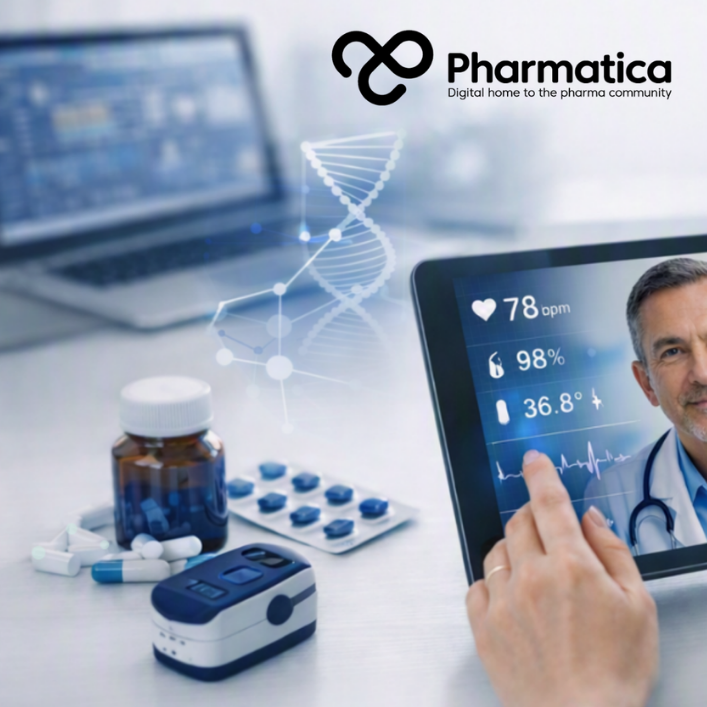
Ethical obligations in decentralised clinical trials extend beyond consent and privacy. Sponsors must protect safety, scientific validity, equity, and oversight.
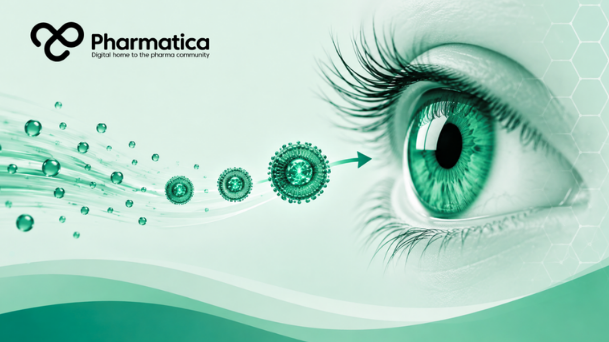
Ocular drug delivery faces major biological barriers. Nanocarriers could improve bioavailability, tissue targeting, controlled release, and treatment for difficult eye diseases.
Find out how psychedelic drug discovery is evolving through receptor pharmacology, behavioural science, and neuroplasticity to develop safer CNS therapeutics.
Can non-animal testing methods be used in preclinical drug discovery? Here is what the evidence is for their accuracy and limits assessing preclinical toxicity.
Over 90% of oncology NMEs that succeed in animal studies fail in clinical trials. This analysis examines how to optimise preclinical pharmacology models to improve translational success.
The FDA's March 2026 draft guidance on alternatives to animal testing marks a pivotal shift in preclinical drug development. Here's what pharma R&D teams need to know.