
Why Gynaecological Cancers Are Some of Pharma’s Most Important Challenges
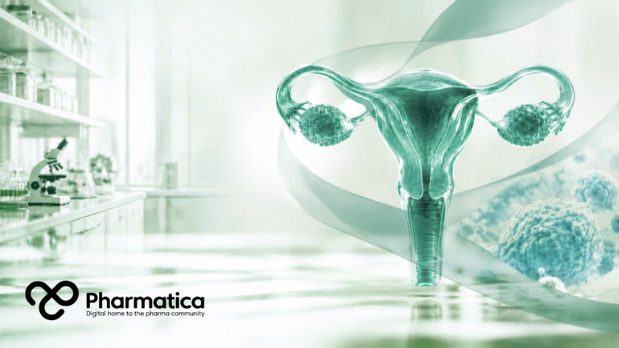
Gynaecological cancers remain a major pharma challenge. Explore how disease burden, access, tumour biology, and precision medicine are shaping oncology R&D.
Gynaecological cancers remain a major pharma challenge. Explore how disease burden, access, tumour biology, and precision medicine are shaping oncology R&D.
AI in drug discovery keeps making headlines, but clinical success rates barely move. A new Nature Reviews Perspective explains why, and what pharma should do next.
Synthetic genetic codes are moving closer to programmable biology as automated cell-free systems enable faster testing of new protein chemistries in R&D.
AI-driven digital organisms could transform drug discovery by simulating biology across scales. Explore GenBio AI's AIDO vision and the virtual cell.
Discover how predictive modelling, QSP, AI, and systems biology creates better drug development by connecting biological evidence with better predictions.
Find out how q-CAR drug discovery moves beyond static protein structures by linking protein dynamics, ligand activity, and AI to precision drug design.

AI-designed bacteriophages show how genome models could create new antibacterial therapies while forcing pharma to rethink biological AI governance and biosecurity.
Collaboration in drug discovery can shape pharma R&D success. Explore the evidence on pharma partnerships, knowledge sharing, governance, and innovation.
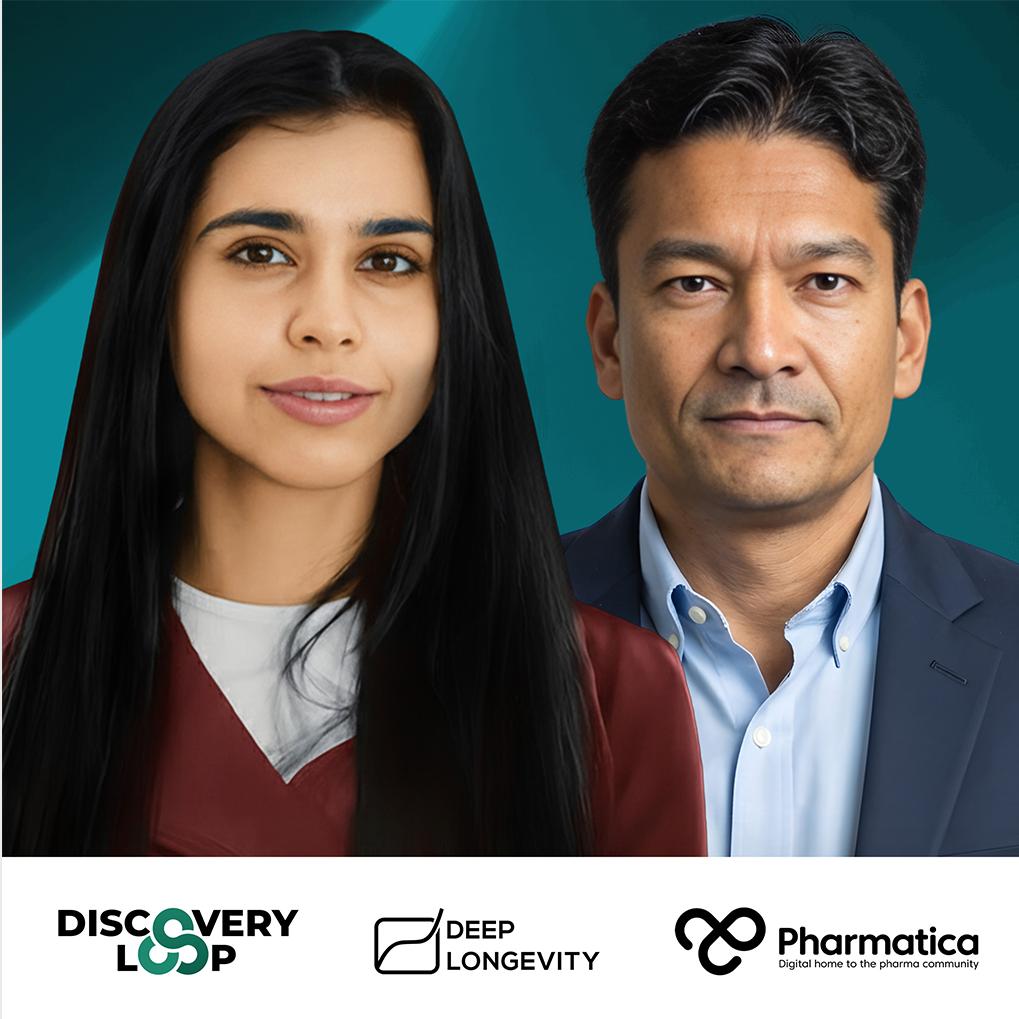
“The pharma industry is beginning to look at biological age as a surrogate endpoint to improve clinical trials."

Learn how drug discovery scientists are evolving alongside AI, computational biology, and multidisciplinary research to accelerate therapeutic innovation.

Claude Science is a new AI R&D tool for drug discovery, integrating 60-plus scientific databases into one place. Here is what pharma R&D teams need to know.
As precision medicine narrows patient cohorts to rare‑disease scales, deep learning models face a paradox of data scarcity and overfitting that threatens the future of clinical AI.