
GLP-1 Obesity Evidence Is Changing Clinical Development
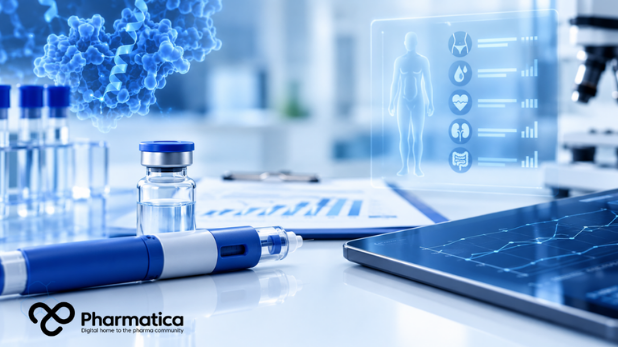
GLP-1 obesity clinical evidence is reshaping drug development as efficacy, safety, cardiovascular outcomes, and treatment durability become critical.
GLP-1 obesity clinical evidence is reshaping drug development as efficacy, safety, cardiovascular outcomes, and treatment durability become critical.
Liver-chip supported drug discovery is moving closer to regulatory acceptance as Emulate advances FDA ISTAND qualification for human-relevant DILI assessment.
Gynaecological cancers remain a major pharma challenge. Explore how disease burden, access, tumour biology, and precision medicine are shaping oncology R&D.
AI in drug discovery keeps making headlines, but clinical success rates barely move. A new Nature Reviews Perspective explains why, and what pharma should do next.
AI-driven digital organisms could transform drug discovery by simulating biology across scales. Explore GenBio AI's AIDO vision and the virtual cell.
Discover how predictive modelling, QSP, AI, and systems biology creates better drug development by connecting biological evidence with better predictions.
Find out how q-CAR drug discovery moves beyond static protein structures by linking protein dynamics, ligand activity, and AI to precision drug design.
Ocular drug delivery faces major biological barriers. Nanocarriers could improve bioavailability, tissue targeting, controlled release, and treatment for difficult eye diseases.
AI-designed bacteriophages show how genome models could create new antibacterial therapies while forcing pharma to rethink biological AI governance and biosecurity.
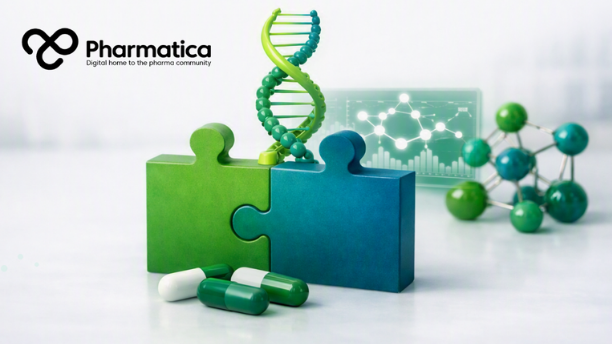
Collaboration in drug discovery can shape pharma R&D success. Explore the evidence on pharma partnerships, knowledge sharing, governance, and innovation.
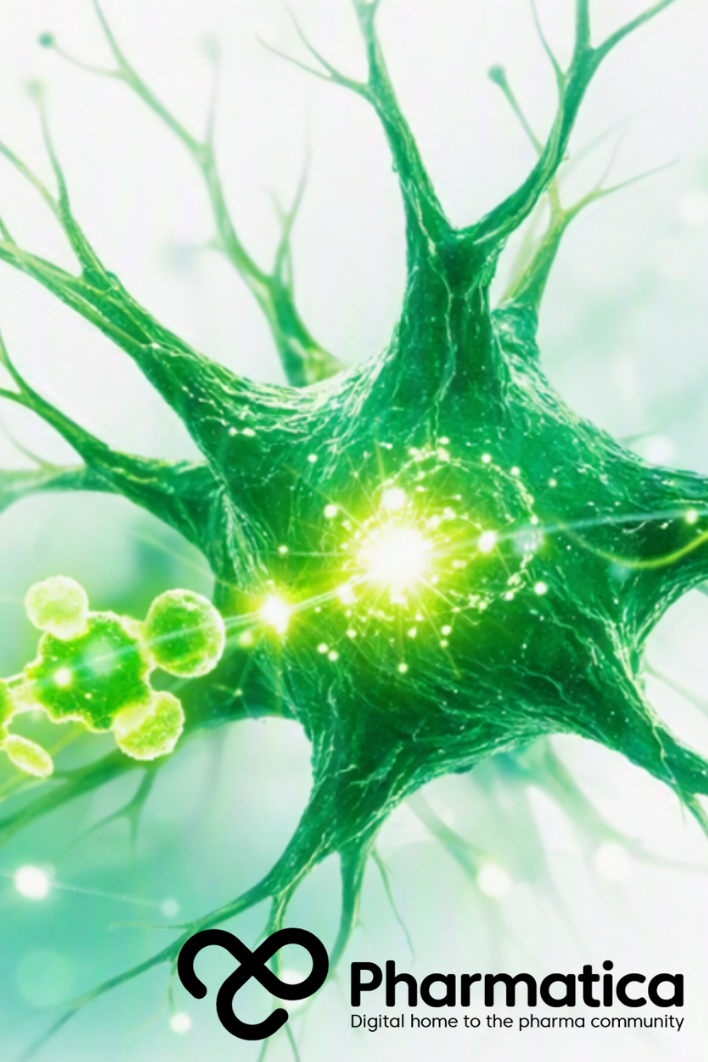
Find out how psychedelic drug discovery is evolving through receptor pharmacology, behavioural science, and neuroplasticity to develop safer CNS therapeutics.
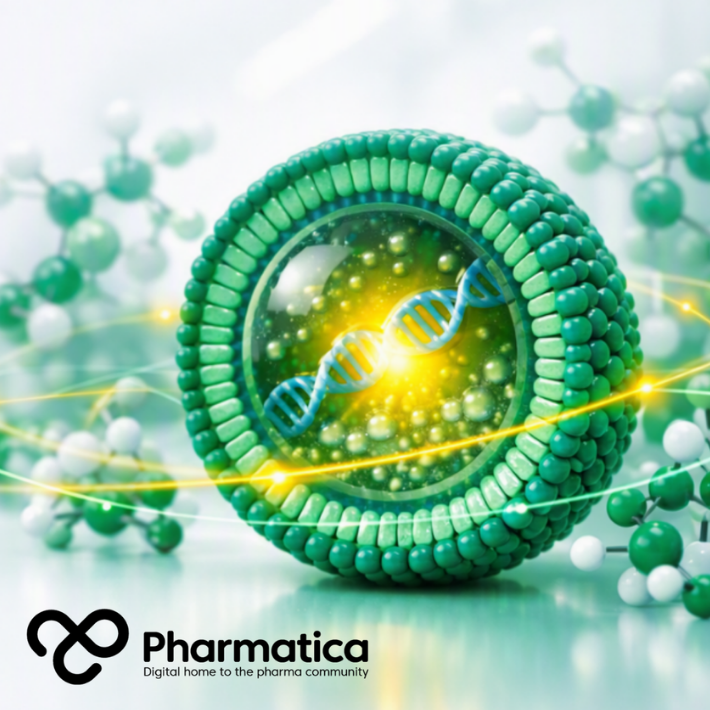
Read about machine learning for lipid nanoparticle design used to improve cell, gene, and RNA drug delivery and help optimise next-generation therapeutics.