
What the First FDA AI Warning Letter Means for Pharma
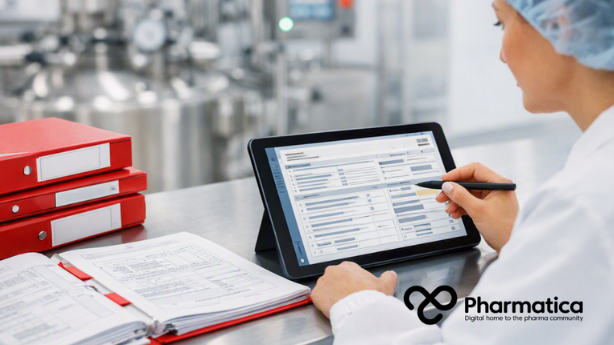
The FDA’s first AI warning letter shows Purolea Cosmetics Lab used AI to draft CGMP documents unchecked. Here’s what pharma manufacturers must learn now.
Navigate the intersection of compliance, market access, and strategic launch planning to bring approved therapies successfully to patients.
The FDA’s first AI warning letter shows Purolea Cosmetics Lab used AI to draft CGMP documents unchecked. Here’s what pharma manufacturers must learn now.

The FDA’s Expedited IND Pilot introduces rolling review and sponsor-QRI partnerships to accelerate Phase I first-in-human trials while retaining regulatory oversight.
The CDRH Rare Disease Impact Initiative puts greater focus on rare disease devices, patient engagement, evidence strategy, and closer FDA coordination.
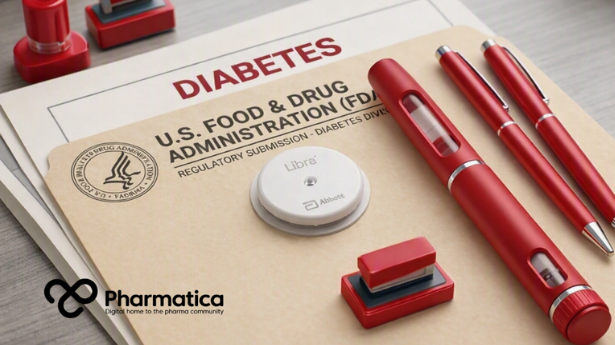
Abbott’s Libre Duo FDA authorisation creates a new Class II device category, combining glucose and ketone monitoring while setting a regulatory path for future devices.

Get to know the FDA 10 Guiding Principles of Good AI Practice in Drug Development and what they mean for AI governance, validation, and regulatory risk.
New EU GMP inspection guidelines take effect in September 2026. Here is what you need to know about joint inspections, planning, and reporting.
FDA clinical trial oversight is intensifying globally as the agency raises expectations for GCP, foreign site inspections, data integrity, and patient protection.
UK Combined Review unifies MHRA and ethics review for CTIMPs, reshaping approval timelines, submissions, and sponsor planning under UK trial reform.
The MHRA has set out its position on microbiome-based medicinal products, confirming that a clear UK licensing route already exists for these therapies.
FDA oncology clinical trial guidance targets restrictive eligibility criteria, covering performance status, washout periods, medications, and laboratory values.
Revised FDA draft guidance for generic peptide products updates expectations for ANDAs, impurities, structure, immune response, and biological activity.
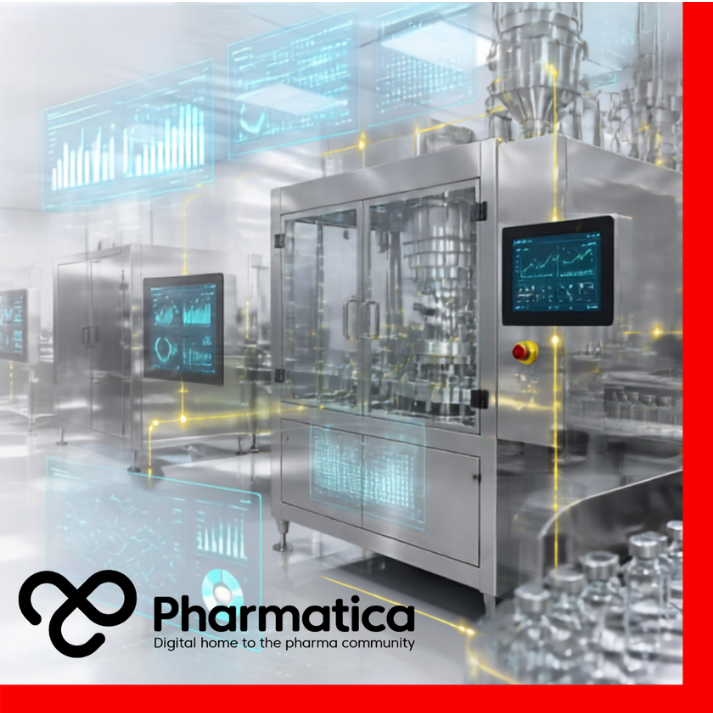
Learn how AI in pharmaceutical GMP manufacturing is improving quality, data integrity, predictive maintenance, and regulatory compliance in modern drug production.