
Foundational AI In Cell and Gene Therapy Development Success
Discover why AI in cell and gene therapy is necessary for successful development by improving drug discovery, viral vector engineering, manufacturing, and quality control.

“The pharma industry is beginning to look at biological age as a surrogate endpoint to improve clinical trials."









Explore expert-led podcasts, pharmaceutical intelligence, life sciences insights and research-driven analysis from leading industry voices. Pharmatica delivers trusted biotech news, drug development trends and commercial intelligence for professionals across the pharmaceutical sector.
Discover why AI in cell and gene therapy is necessary for successful development by improving drug discovery, viral vector engineering, manufacturing, and quality control.
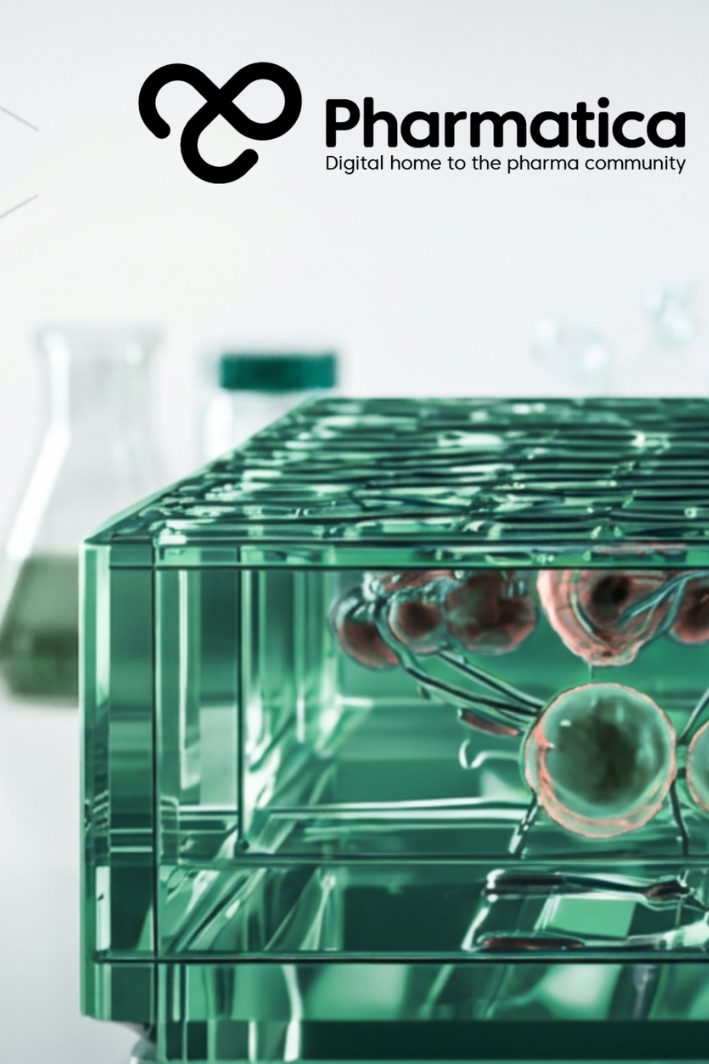
Can non-animal testing methods be used in preclinical drug discovery? Here is what the evidence is for their accuracy and limits assessing preclinical toxicity.
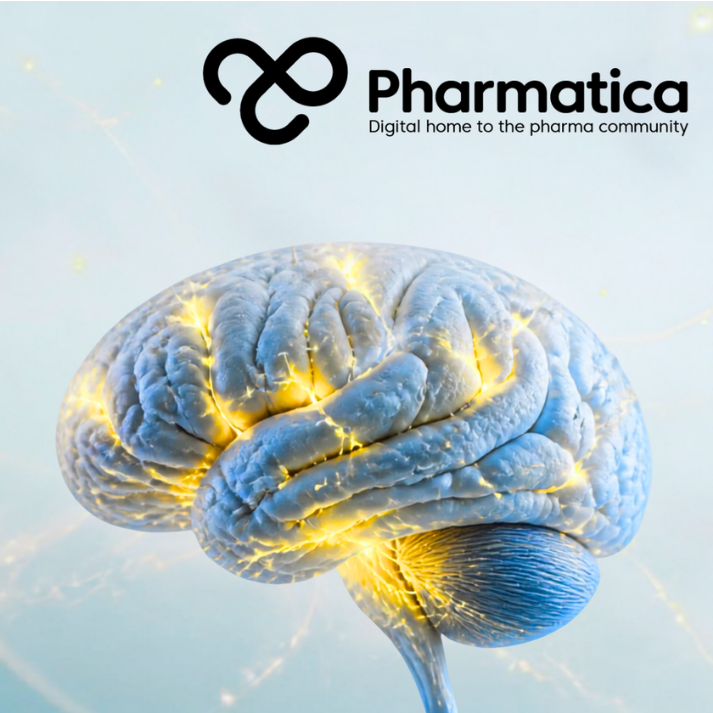
Eli Lilly's acquisition of Peter Thiel’s backed AtaiBeckley highlights growing investment in psychedelic biotech and the future of CNS drug discovery.
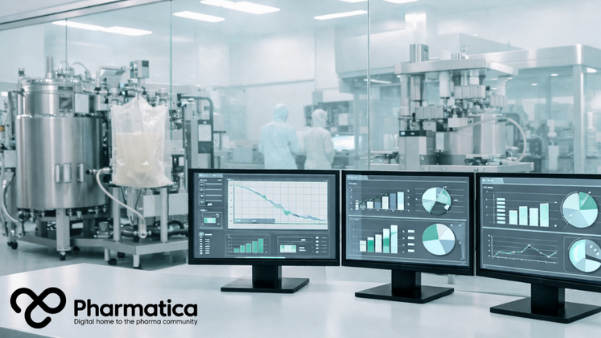
Cell and gene therapy CMC strategies, quality systems, and manufacturing innovation are critical to advanced therapy development and determine scalability.

One pivotal trial for FDA approval could accelerate drug development, reshape clinical trial strategy, and change the pharmaceutical regulatory landscape.
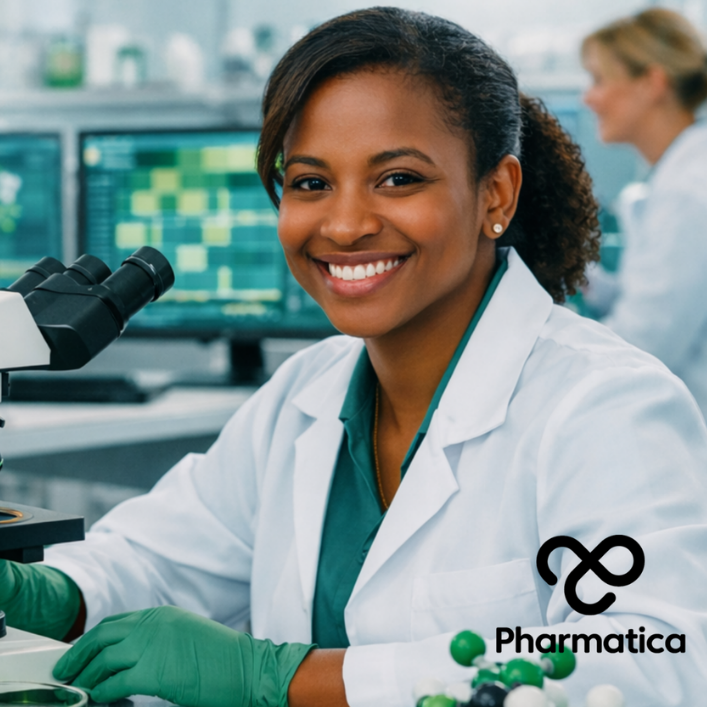
Learn how drug discovery scientists are evolving alongside AI, computational biology, and multidisciplinary research to accelerate therapeutic innovation.

Claude Science is a new AI R&D tool for drug discovery, integrating 60-plus scientific databases into one place. Here is what pharma R&D teams need to know.
The new European Life Sciences Strategy aims to accelerate pharmaceutical innovation through investment, regulatory reform, biotechnology, and AI capabilities.
Discover how digital CMC regulatory submissions, cloud collaboration, and AI accelerate the modernisation of manufacturing approvals and global pharma operations.
Deep learning is changing how clinical trials are designed, run, and analysed in 2026. Examine the tools, outcomes, and strategic risks shaping adoption.
From gut hormones to global therapeutics, GLP-1 drug discovery transformed obesity treatment through peptide engineering and incretin biology translation.

Generative AI is transforming clinical trials, but a failure to distinguish between pseudonymised and anonymised data is creating costly regulatory gaps.