

Can Deep Learning Survive the Precision Medicine Paradox?
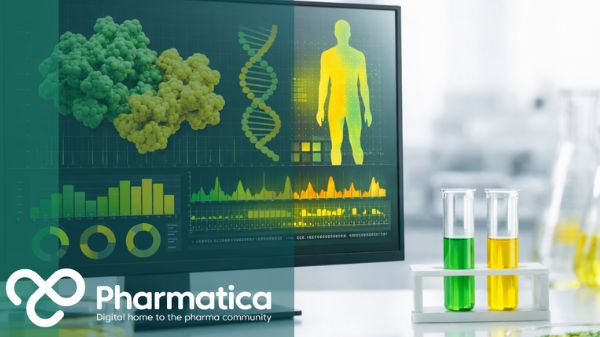
As precision medicine narrows patient cohorts to rare‑disease scales, deep learning models face a paradox of data scarcity and overfitting that threatens the future of clinical AI.

“The pharma industry is beginning to look at biological age as a surrogate endpoint to improve clinical trials."









Explore expert-led podcasts, pharmaceutical intelligence, life sciences insights and research-driven analysis from leading industry voices. Pharmatica delivers trusted biotech news, drug development trends and commercial intelligence for professionals across the pharmaceutical sector.
As precision medicine narrows patient cohorts to rare‑disease scales, deep learning models face a paradox of data scarcity and overfitting that threatens the future of clinical AI.

Operation TrialBlazer aims to reignite U.S. clinical development by accelerating trials, modernising FDA oversight, and strengthening pharmaceutical innovation.

Discover why genomic equity is essential for reliable AI-driven drug discovery, precision medicine, and building more representative pharmaceutical innovation.

The FDA's proposed drug manufacturing modernisation rule could accelerate distributed manufacturing, digital quality systems, and pharma supply chain resilience.

Discover how innovations in AAV vector manufacturing are improving scalability, quality, and commercial readiness for next-generation gene therapies.

We've mapped the competitive, regulatory, and commercial stakes of the top 11 clinical trials that have defined pharma strategy so far in 2026.

Anthropic's new drug discovery programme marks a strategic shift from sole AI software provider to active R&D participant. Here's what it means for pharmaceutical innovation.

Explore how novel digital measures gain regulatory acceptance in clinical trials, comparing FDA-structured pathways with EMA engagement-led frameworks.
The FDA’s 2026 gene editing draft guidance could change your regulatory strategy. Explore the new NGS requirements for cell and gene editing therapies.

Discover how next-generation sequencing in cell line development is improving biologics manufacturing, quality control, and regulatory confidence.

Real-time clinical trials enable continuous data capture and faster decisions, improving how data is used in clinical trials. Here is what pharma leaders need to know.
Over 90% of oncology NMEs that succeed in animal studies fail in clinical trials. This analysis examines how to optimise preclinical pharmacology models to improve translational success.