Scientists should be spending their time advancing research, not cleaning data. Lily Helfrich of Benchling explains why fragmented systems are slowing biopharma discovery, how AI can transform legacy antibody data and what it takes to build a data foundation for the next generation of biologics.
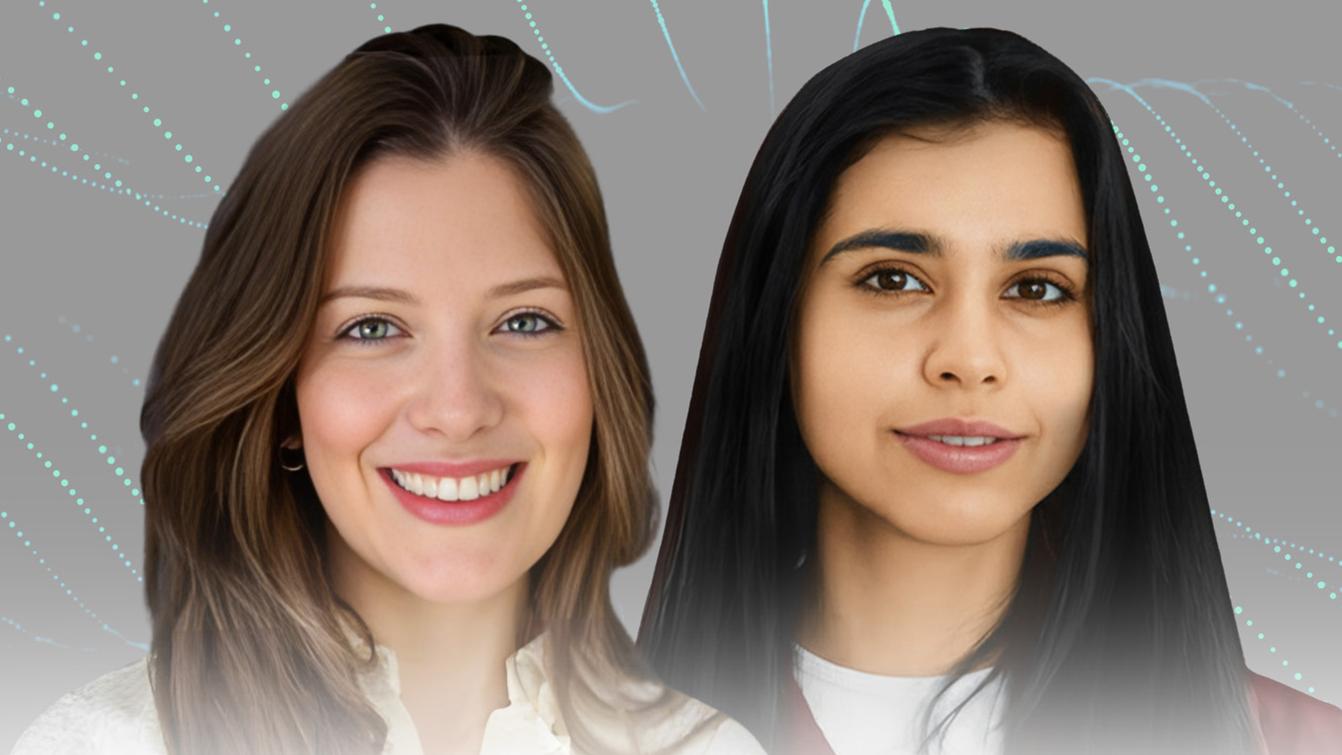
Monoclonal antibodies and other biologics still anchor therapeutic pipelines across the industry, but the software behind them hasn't kept pace. On a recent episode of The Digital Pulse, host Trisha Pillay spoke with Lily Helfrich, a product manager at Benchling, about what it takes to build a data foundation that serves antibodies today and new modalities tomorrow. Helfrich says antibodies make up more than half of large-molecule pipelines, raising the stakes for getting the data right.
Why Legacy Biopharma Data Systems Slow Antibody Discovery
Legacy tools, Helfrich says, tend to treat an antibody as a flat object: a sequence, or a GenBank file. In reality, it is built in layers. She likens it to a Lego model, one large structure made up of bricks that each have their own properties. Flatten it, and scientists lose sight of how the parts connect. That is where lineage breaks down. A team might keep sequences in one registry, expression and purification results in an electronic lab notebook, and plate-based work in a third system. Piecing them back together takes time. Helfrich points to McKinsey research suggesting scientists and computational teams are “spending up to eighty per cent of their time finding and cleaning data.” Every hour spent on that is an hour not spent on experiments, and AI projects that need clean, connected inputs suffer too.
Building a Biologics Data Language Layer
Faced with that mess, many IT teams build their own registry on relational databases and cloud data lakes. Helfrich calls it an expensive trap. A schema designed around a standard IgG can buckle when it meets bispecifics, multispecifics or fusion proteins, and each new format brings more maintenance and more extension work. Roadmaps fall behind the science, and before long people are back in Microsoft Excel.
Benchling’s answer is what Helfrich calls a language layer. Instead of hard-coding a fixed list of antibody types, the platform relies on Veritas, a nomenclature developed by industry figures at Amgen, to give the data structure while leaving customers free to define their own formats. A scientist types in a string and the system draws the antibody, works out how the chains and domains relate, and picks out the CDRs and frameworks within the variable regions. No custom code is needed. The same approach, Helfrich says, can stretch to other multi-component molecules, including antibody-drug conjugates.
Is AI Quietly Creating a GDPR Crisis in Clinical Research?
Generative AI is transforming clinical trials, but a failure to distinguish between pseudonymised and anonymised data is creating costly regulatory gaps.
Image
Lessons From an 80 000 Antibody Project
Migration is one of the first questions prospective customers ask, because decades of data may be unstructured, uncharacterised or stored as flat sequences with no record of which chains belong together. Helfrich says AI is well suited to the problem. Native agents can analyse thousands of unclassified legacy antibodies, infer each format, generate a Veritas string, validate the data and register entities automatically.
She described a customer that replaced six disconnected platforms, covering registration, notebooks, inventory, assay tracking and request management, across four research sites. The project took 15 months. The company onboarded about 250 scientists, standardized more than 250 antibody formats and migrated 80,000 legacy antibodies. Within a month of going live, it had registered nearly 4,000 new ones. With the data structured, Helfrich says, IT could shift from cleaning records to bigger goals such as "lab in a loop" workflows and predictive modelling.
Unifying Biology and Chemistry Data
Discovery is moving past the divide between small and large molecules. Antibody-drug conjugates, peptides and other hybrids combine both, yet most software still splits biology and chemistry into separate systems. For an ADC, antibody data, linker and payload chemistry, and conjugation details such as drug-to-antibody ratio can end up in different databases or in free-text fields. Peptides face a similar problem as registered in small molecule systems; they often lose the sequence-based view that helps scientists understand them.
Benchling's response is a single data model built on HELM notation as a common standard, with domain-aware languages such as Veritas and SMILES layered on top so antibody scientists and chemists each see what they need. The company has already added support for modified RNA and oligos, is building ADC workflows that detect possible conjugation sites, and is extending the same foundation to peptides.
Helfrich says the stakes are highest for AI. Models are only as good as their training data, and today's antibody models predict binding and developability well but have far less data on how a full antibody format affects drug success. Benchling's Model Hub brings tools such as AlphaFold, Boltz and Chai directly to scientists, and the company expects teams of agents, which it calls science foundries, to handle routine tasks while scientists review and QC the results. Her advice for biopharma leaders is to structure data at the source, make registration a natural part of everyday workflows, and invest in an adaptable enterprise language layer instead of temporary point solutions or rigid databases. If you would like to find out more about this, visit benchling.com or follow Lily Helfrich on LinkedIn. Listen to the full episode of The Digital Pulse for more on modernising biopharma R&D.
Takeaways
Why fragmented systems leave scientists spending up to 80 per cent of their time managing data.
Why complex antibodies need structured, adaptable data models.
How AI can accelerate antibody data migration and validation.
How one customer consolidated six platforms and migrated 80,000 antibodies.
Why connecting biology and chemistry data matters for emerging modalities.
How structured data supports more effective AI models.
Bringing AI tools into everyday scientific workflows.
Building adaptable data foundations for future drug discovery.
How AI Is Reshaping Data Integrity in Pharma Manufacturing
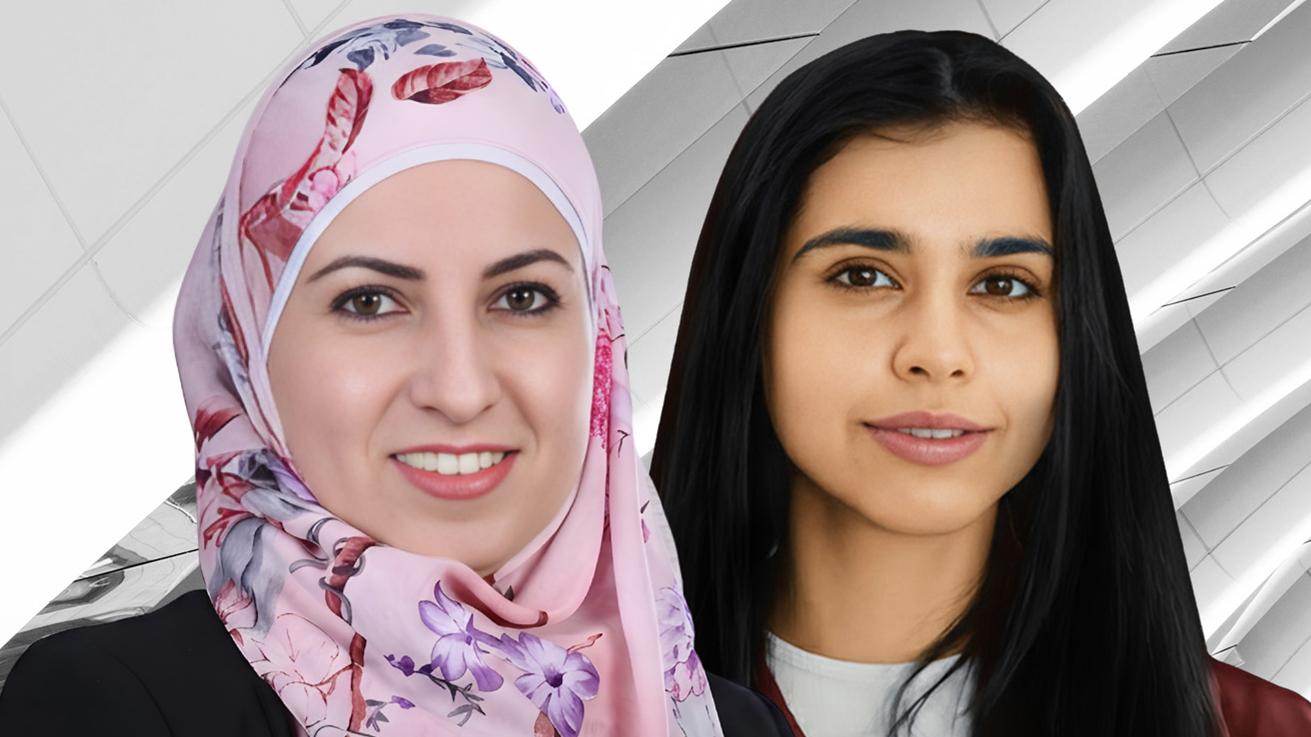
Veragence CEO Nour AlSaleh discusses how AI is transforming data integrity in pharma manufacturing, regulatory compliance, the "human-in-the-loop" requirement, and patient safety in the era of AI-driven GxP systems.
Image
Chapters
00:00 Why biopharma’s data foundation needs to keep pace
01:39 Why antibody records need more than flat sequences
04:54 The hidden cost of building custom biologics registries
08:27 Veritas as a flexible language layer for antibodies
11:51 AI-assisted migration of legacy antibody libraries
14:11 How one team consolidated six platforms and 80,000 records
16:16 Why hybrid modalities break siloed biology and chemistry systems
24:02 A shared data model for biological and chemical languages
29:02 Why AI models need complete molecular context
35:10 Model Hub, science foundries, and human review
38:13 Building adaptable software architecture for future pipelines
Coming soon
Ask questions about this interview.
AI Assistant will use the video transcript once it is available.
About the partner
Image
Benchling
HealthTech & AI
We are rebuilding biotech for the AI era. When a breakthrough is delayed, the world waits.Getting a molecule from discovery to patients, or a crop from lab to field, involves thousands of slow, manual, disconnected steps. AI has the potential to change this, compressing decades of R&D work into years. But that only happens when clean, structured scientific data and AI are built into how science gets done. Benchling is the AI platform for biotech R&D. Scientists use Benchling to design experiments, capture structured data, and run AI agents and models directly in their workflows. Over 200,000 scientists around the world trust Benchling to power their most important work, from academic labs to Sanofi, Moderna, and more than half of the world's top 50 biopharma.
Did you enjoy the content?
2
Why not support
Benchling
by giving this content a like
Anthropic's new drug discovery programme marks a strategic shift from sole AI software provider to active R&D participant. Here's what it means for pharmaceutical innovation.
Anthropic’s Gates Foundation Partnership and Healthcare AI
See how Anthropic's Gates Foundation partnership and Long-Term Benefit Trust could lead the way in shaping responsible AI governance across healthcare innovation.
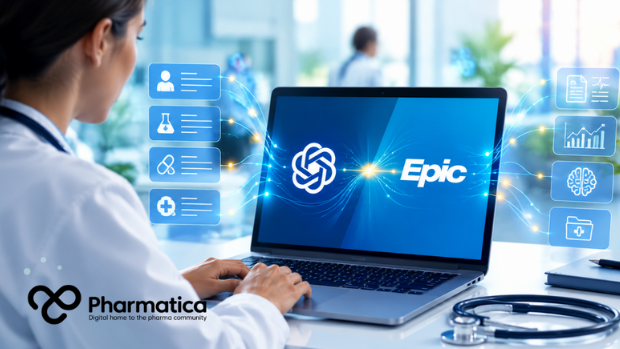
AI in Healthcare: OpenAI and Epic Integration Connects EHRs
OpenAI and Epic integration brings AI healthcare into EHR workflows, connecting patient records with ChatGPT for Healthcare to advance research and patient care.
<p>Founded in 2004, Ametris (formerly ActiGraph) is a global digital health solutions provider transforming real-world patient data into validated clinical evidence. Our end-to-end platform combines advanced wearables, regulatory-aligned analytics, and expert scientific support across every phase of a clinical trial. We serve leading pharmaceutical, biotech, and public health research organizations worldwide, backed by two decades of experience and a collaborative, science-first approach.</p><p>In 2026, Ametris joined Signant Health, uniting wearable-derived digital outcome measures with industry-leading eCOA solutions to give sponsors a single partner for integrated evidence generation, combining continuous sensor data with patient-reported outcomes.</p>
Image
Clinical Development
<p><a href="https://www.medidata.com/en/">Medidata </a>has been powering smarter treatments and healthier people by supporting clinical trials through groundbreaking technological innovations for over 25 years. Medidata is a leader in AI-powered solutions across the entire trial lifecycle to accelerate clinical breakthroughs, reduce patient and site burden, and bring new therapies to market faster. Supported by one of the largest clinical datasets in the industry of more than 38,000 trials and 12 million patients, Medidata's <a href="https://www.medidata.com/en/experiences/study-experience/">Study</a>, <a href="https://www.medidata.com/en/experiences/patient-experience/">Patient</a>, and <a href="https://www.medidata.com/en/experiences/data-experience/">Data</a> Experiences are trusted by more than 1 million registered users across approximately 2,300 customers. A Dassault Systèmes brand (Euronext Paris: FR0014003TT8, DSY.PA), Medidata is headquartered in New York City and is recognized as a leader by Everest Group and IDC. Discover more at <a href="https://www.medidata.com/">www.medidata.com</a><strong>. </strong>Listen to our latest podcast, <a href="https://www.medidata.com/en/from-dreamers-to-disruptors-podcast/"><em>from Dreamers to Disruptors</em></a>,<strong> </strong>and follow us at @medidata-solutions on LinkedIn.</p>
Image
Clinical Development
<p>Caidya is a global, therapeutically focused drug development partner helping biotech and biopharma sponsors make smarter decisions, move faster, and advance together. Our connected teams combine scientific insight, operational expertise, and local knowledge across critical markets to generate actionable evidence and keep complex development programs moving forward.</p>
Image
HealthTech & AI
<p>We are rebuilding biotech for the AI era. When a breakthrough is delayed, the world waits.</p><p>Getting a molecule from discovery to patients, or a crop from lab to field, involves thousands of slow, manual, disconnected steps. AI has the potential to change this, compressing decades of R&D work into years. But that only happens when clean, structured scientific data and AI are built into how science gets done. </p><p>Benchling is the AI platform for biotech R&D. Scientists use Benchling to design experiments, capture structured data, and run AI agents and models directly in their workflows. Over 200,000 scientists around the world trust Benchling to power their most important work, from academic labs to Sanofi, Moderna, and more than half of the world's top 50 biopharma.</p>











Comments (0)