
AlphaGenome Atlas: Mapping Every Possible DNA Variant
Google DeepMind’s AlphaGenome Atlas maps all nine billion possible DNA variants, helping researchers rapidly prioritise disease-linked mutations.
Discover how artificial intelligence and healthtech are transforming healthcare and drug development.
Google DeepMind’s AlphaGenome Atlas maps all nine billion possible DNA variants, helping researchers rapidly prioritise disease-linked mutations.

The Anthropic 2026 threat report documents a significant bioweapons risk. See what this means for pharma biosecurity, research, and AI controls.
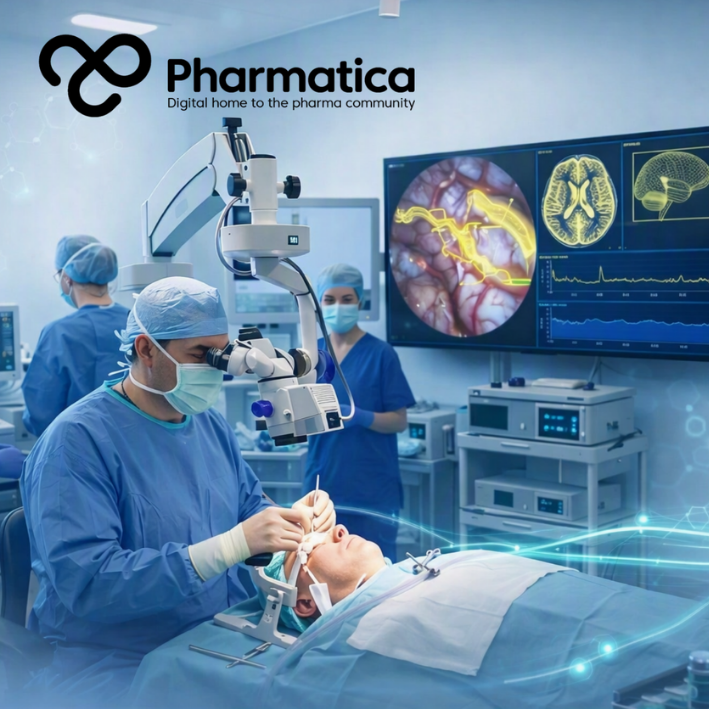
In the world’s first, London surgeons have used real-time AI to protect a patient's sight during live brain surgery. See what the trial’s AI framework means for MedTech.

OpenAI and Epic integration brings AI healthcare into EHR workflows, connecting patient records with ChatGPT for Healthcare to advance research and patient care.
Synthetic genetic codes are moving closer to programmable biology as automated cell-free systems enable faster testing of new protein chemistries in R&D.
Ketryx and Accenture are combining AI-native compliance infrastructure and transformation expertise to help MedTech scale regulated AI without slowing development.

"If I had to get great minds in a room, I'd be looking at it from a tech perspective. How can we take all this knowledge, apply it to policies that can be easily distributed?” Clara Toombs, Fertilia AI.

BMS and NVIDIA are building a powerful pharma AI factory using advanced supercomputing, AI models, and scientific data to accelerate drug discovery.

Read about how Throne Science is advancing passive health monitoring with AI-powered sensing that automatically captures daily toilet habit data.

“This is one of the riskiest industries there is because you're dealing with human lives, you're dealing with experimental protocols, and you're dealing with regulatory bodies where you might not get another shot at that clinical trial."
AI-designed bacteriophages show how genome models could create new antibacterial therapies while forcing pharma to rethink biological AI governance and biosecurity.
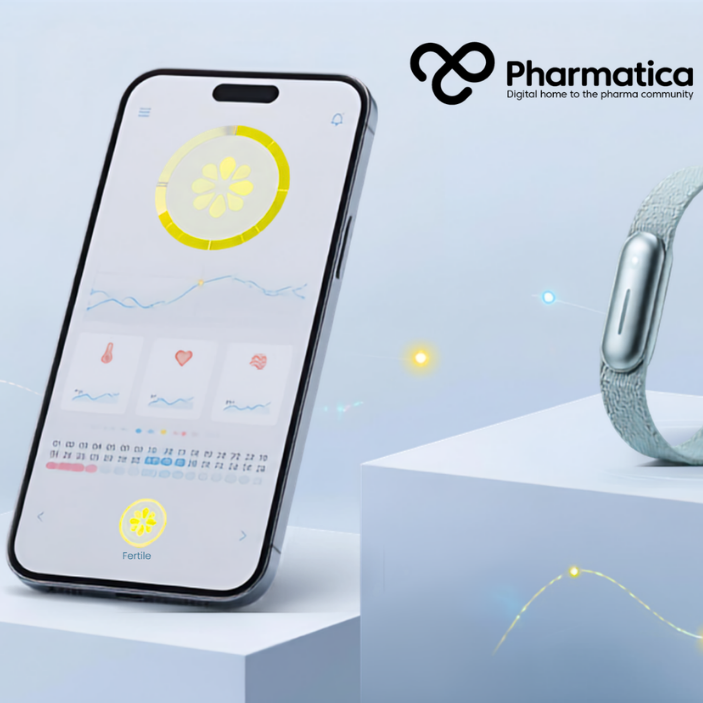
WHOOP and Natural Cycles show how wearable health data is moving into regulated digital health, creating new opportunities for women’s health and pharma.