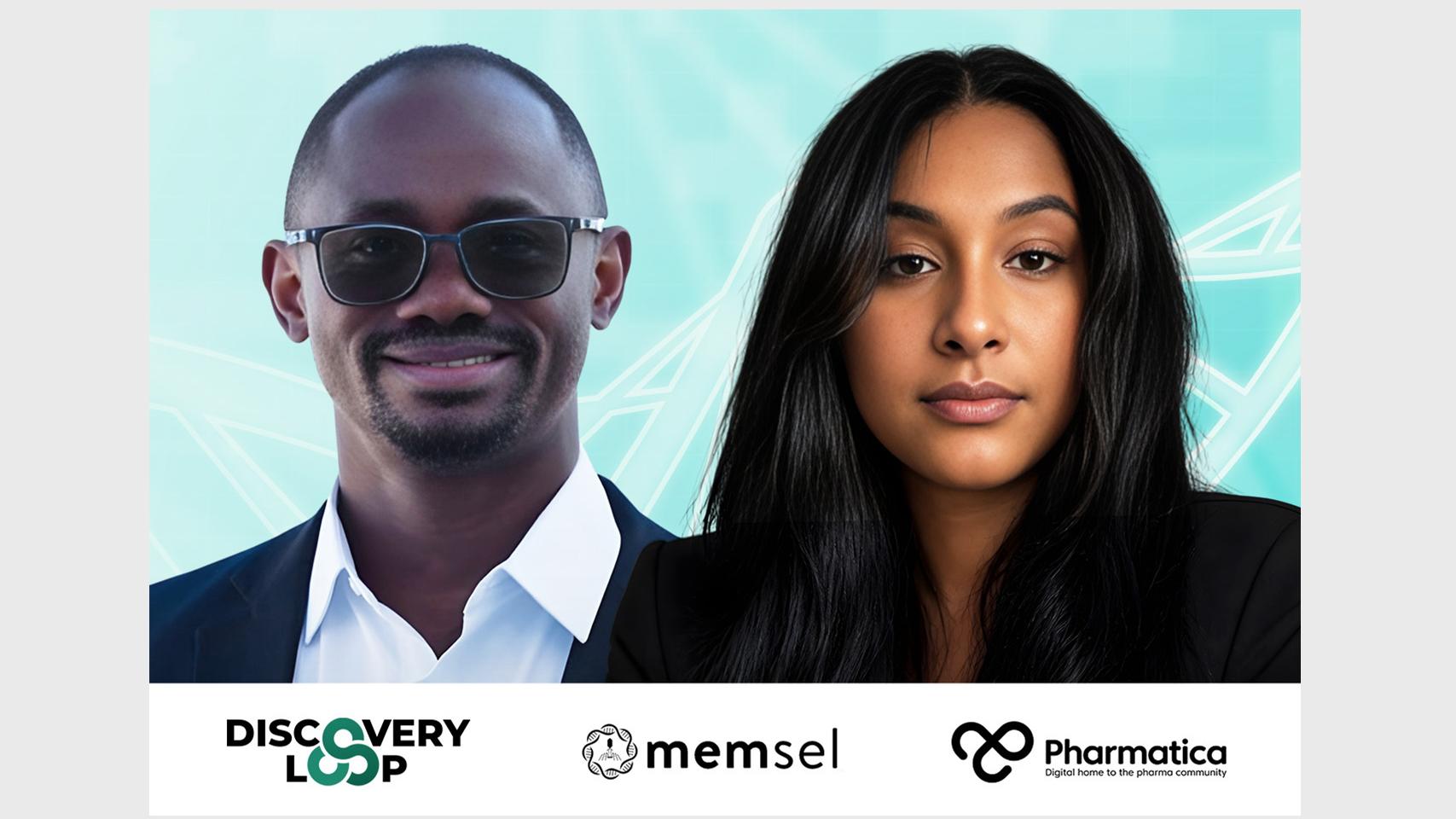

Better Predictive Modelling for Better Drug Development
Discover how predictive modelling, QSP, AI, and systems biology creates better drug development by connecting biological evidence with better predictions.

“The pharma industry is beginning to look at biological age as a surrogate endpoint to improve clinical trials."









Explore expert-led podcasts, pharmaceutical intelligence, life sciences insights and research-driven analysis from leading industry voices. Pharmatica delivers trusted biotech news, drug development trends and commercial intelligence for professionals across the pharmaceutical sector.
Discover how predictive modelling, QSP, AI, and systems biology creates better drug development by connecting biological evidence with better predictions.
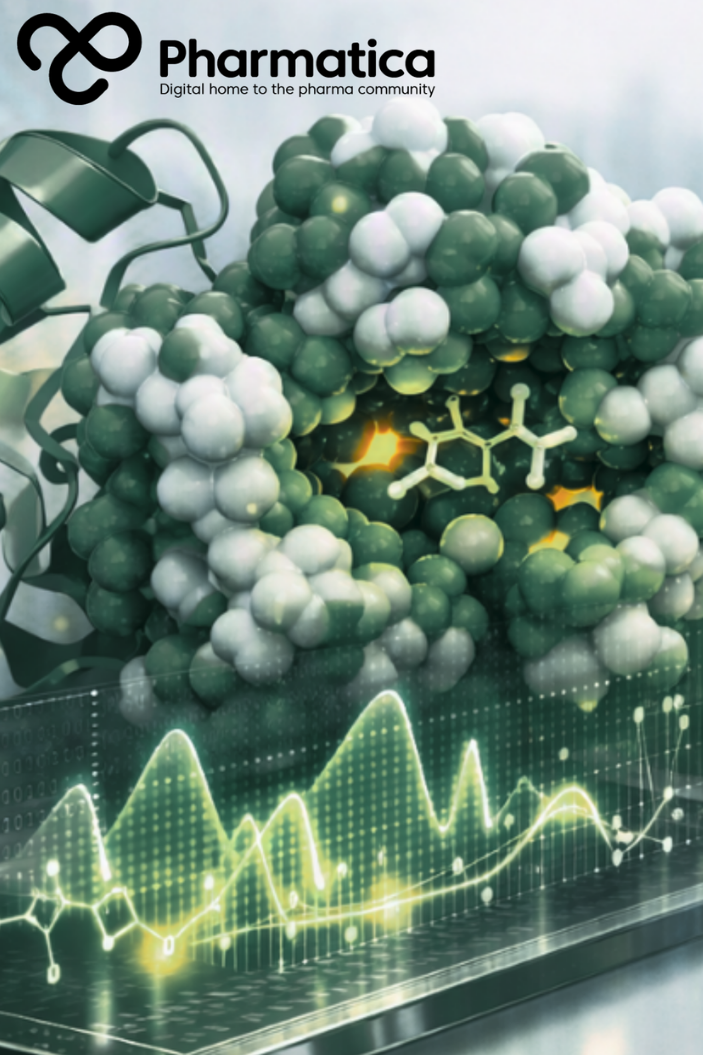
Find out how q-CAR drug discovery moves beyond static protein structures by linking protein dynamics, ligand activity, and AI to precision drug design.
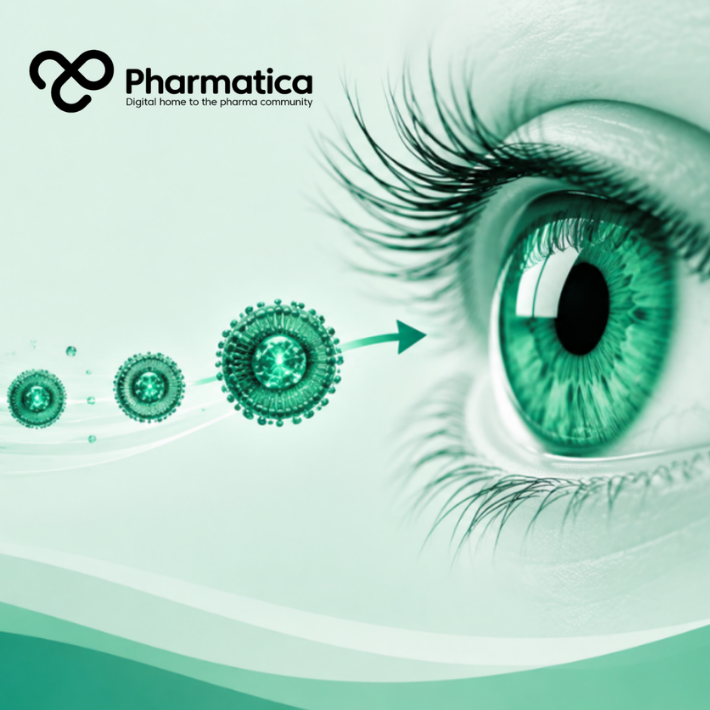
Ocular drug delivery faces major biological barriers. Nanocarriers could improve bioavailability, tissue targeting, controlled release, and treatment for difficult eye diseases.
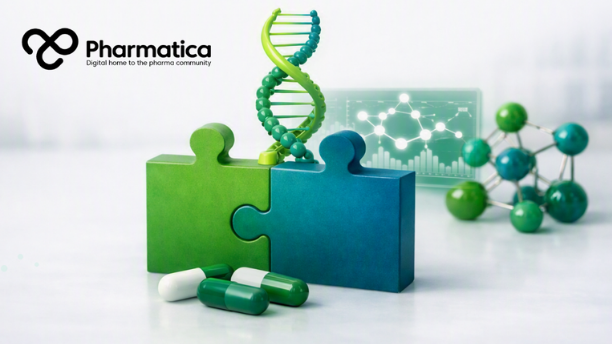
Collaboration in drug discovery can shape pharma R&D success. Explore the evidence on pharma partnerships, knowledge sharing, governance, and innovation.
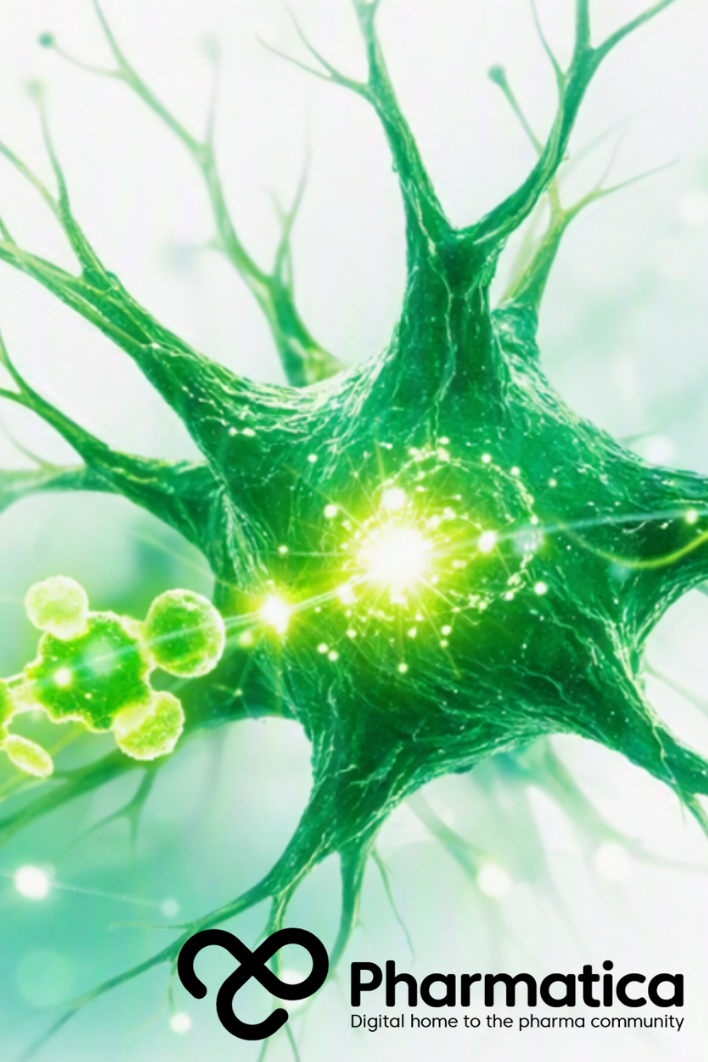
Find out how psychedelic drug discovery is evolving through receptor pharmacology, behavioural science, and neuroplasticity to develop safer CNS therapeutics.
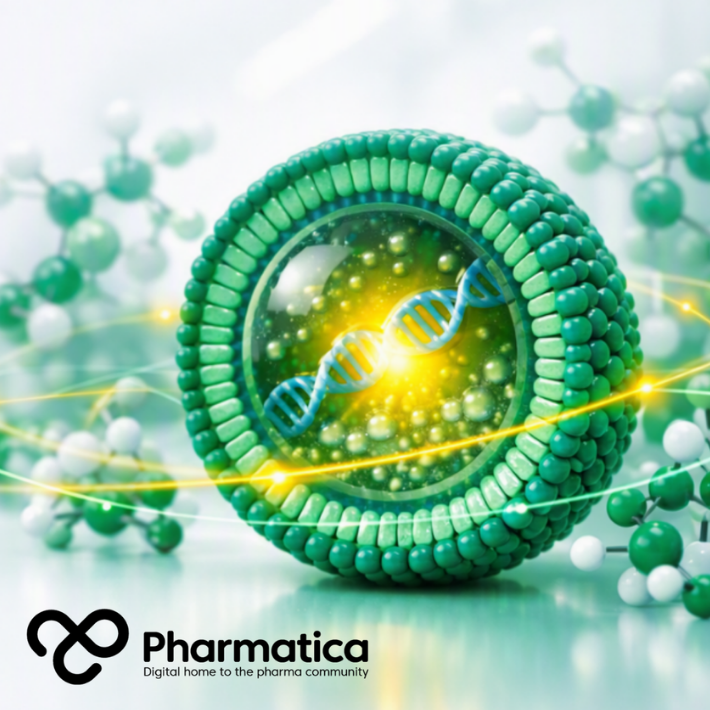
Read about machine learning for lipid nanoparticle design used to improve cell, gene, and RNA drug delivery and help optimise next-generation therapeutics.

Explore new benchmarking research on pharmaceutical R&D success rates, revealing why some drug pipelines consistently achieve higher approval rates than others.
Can non-animal testing methods be used in preclinical drug discovery? Here is what the evidence is for their accuracy and limits assessing preclinical toxicity.
Learn how drug discovery scientists are evolving alongside AI, computational biology, and multidisciplinary research to accelerate therapeutic innovation.
From gut hormones to global therapeutics, GLP-1 drug discovery transformed obesity treatment through peptide engineering and incretin biology translation.
As precision medicine narrows patient cohorts to rare‑disease scales, deep learning models face a paradox of data scarcity and overfitting that threatens the future of clinical AI.
Discover why genomic equity is essential for reliable AI-driven drug discovery, precision medicine, and building more representative pharmaceutical innovation.