
Better Predictive Modelling for Better Drug Development

Discover how predictive modelling, QSP, AI, and systems biology creates better drug development by connecting biological evidence with better predictions.

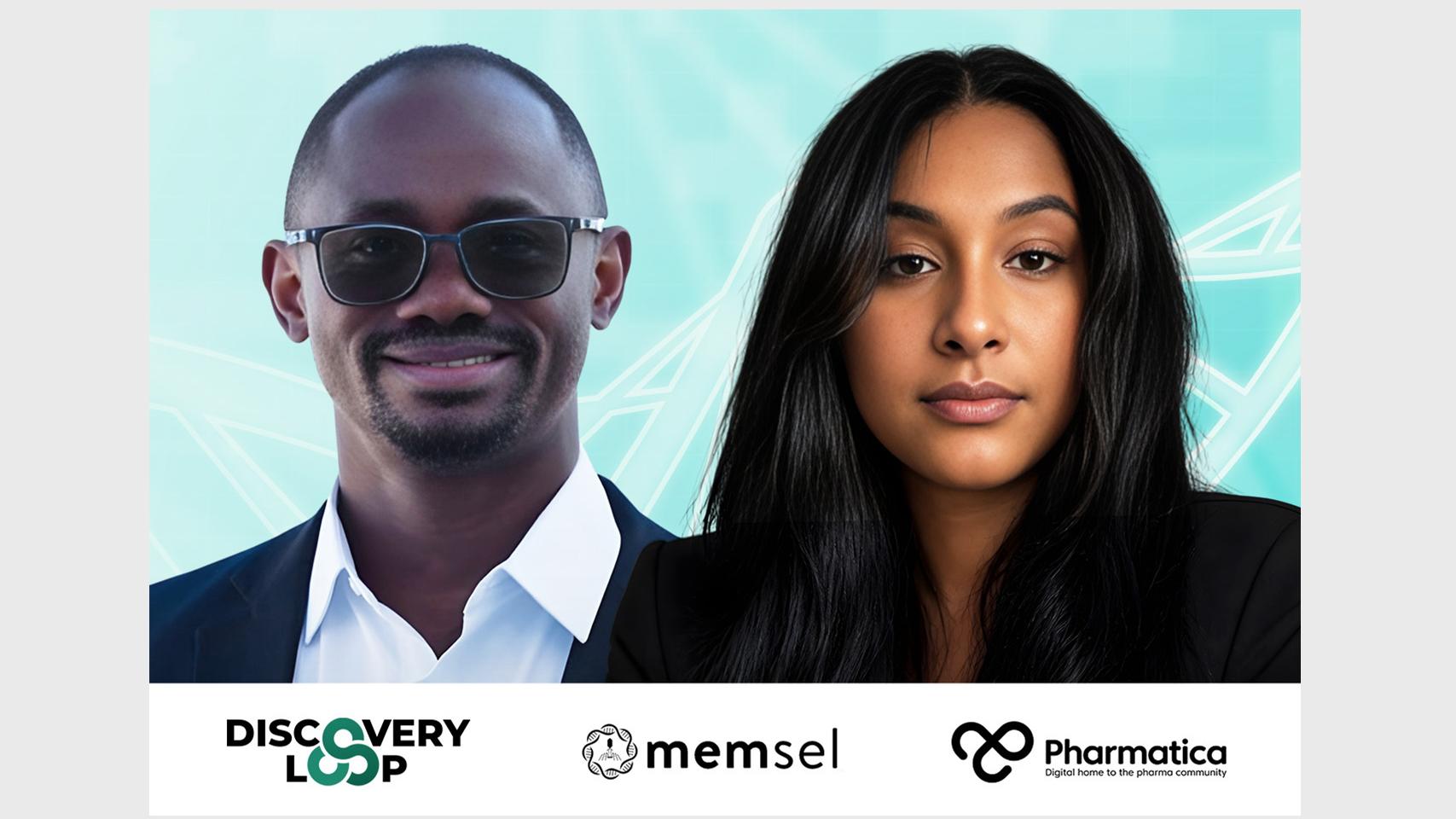
“The pharma industry is beginning to look at biological age as a surrogate endpoint to improve clinical trials."






Explore expert-led podcasts, pharmaceutical intelligence, life sciences insights and research-driven analysis from leading industry voices. Pharmatica delivers trusted biotech news, drug development trends and commercial intelligence for professionals across the pharmaceutical sector.
Discover how predictive modelling, QSP, AI, and systems biology creates better drug development by connecting biological evidence with better predictions.

BMS and NVIDIA are building a powerful pharma AI factory using advanced supercomputing, AI models, and scientific data to accelerate drug discovery.

FDA oncology clinical trial guidance targets restrictive eligibility criteria, covering performance status, washout periods, medications, and laboratory values.
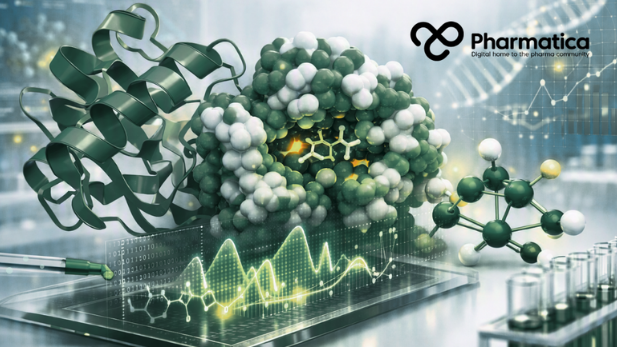
Find out how q-CAR drug discovery moves beyond static protein structures by linking protein dynamics, ligand activity, and AI to precision drug design.
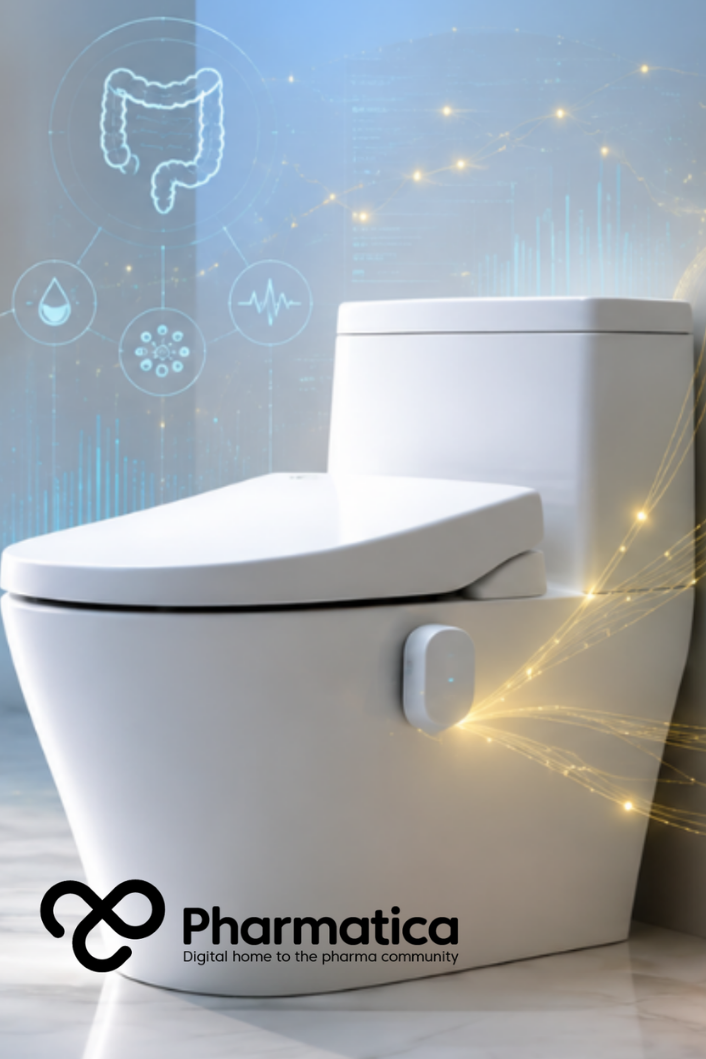
Read about how Throne Science is advancing passive health monitoring with AI-powered sensing that automatically captures daily toilet habit data.

“This is one of the riskiest industries there is because you're dealing with human lives, you're dealing with experimental protocols, and you're dealing with regulatory bodies where you might not get another shot at that clinical trial."
Revised FDA draft guidance for generic peptide products updates expectations for ANDAs, impurities, structure, immune response, and biological activity.
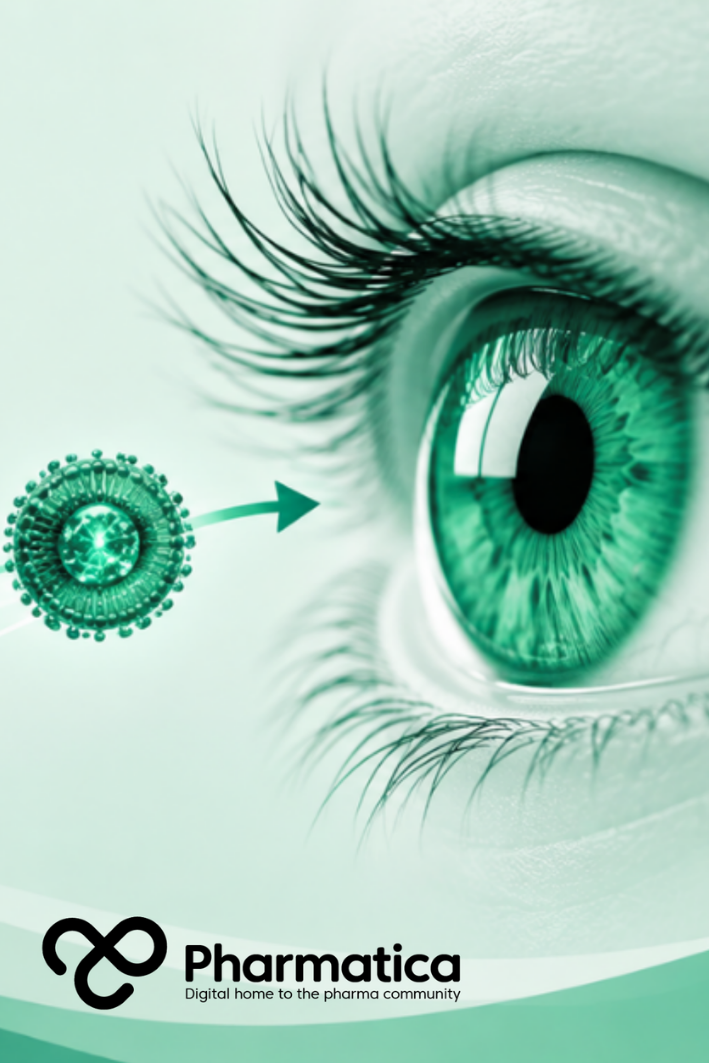
Ocular drug delivery faces major biological barriers. Nanocarriers could improve bioavailability, tissue targeting, controlled release, and treatment for difficult eye diseases.
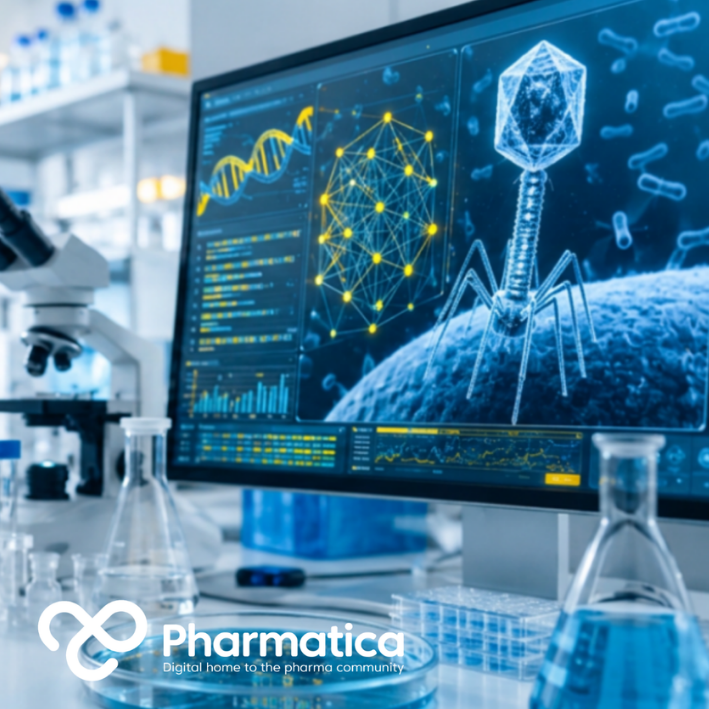
AI-designed bacteriophages show how genome models could create new antibacterial therapies while forcing pharma to rethink biological AI governance and biosecurity.
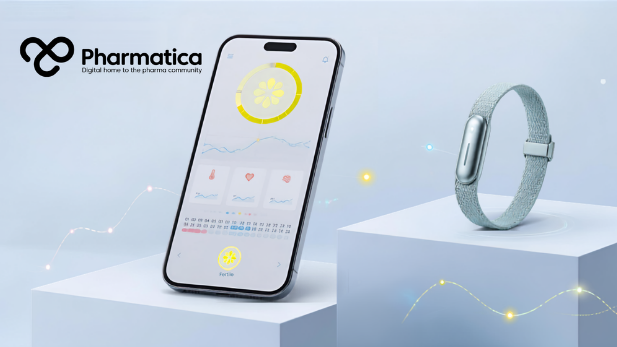
WHOOP and Natural Cycles show how wearable health data is moving into regulated digital health, creating new opportunities for women’s health and pharma.
Collaboration in drug discovery can shape pharma R&D success. Explore the evidence on pharma partnerships, knowledge sharing, governance, and innovation.
RNA biosensors for diabetes could allow earlier diagnosis and better personalised care. Explore the power of AI monitoring and next-generation molecular diagnostics.