
Enriched Clinical Trial Design: Who Gets Left Behind?

Enriched clinical trial design can improve trial efficiency, but may exclude patients from the evidence base. Explore the implications for clinical development.

“The pharma industry is beginning to look at biological age as a surrogate endpoint to improve clinical trials."






Explore expert-led podcasts, pharmaceutical intelligence, life sciences insights and research-driven analysis from leading industry voices. Pharmatica delivers trusted biotech news, drug development trends and commercial intelligence for professionals across the pharmaceutical sector.
Enriched clinical trial design can improve trial efficiency, but may exclude patients from the evidence base. Explore the implications for clinical development.

BMS and NVIDIA are building a powerful pharma AI factory using advanced supercomputing, AI models, and scientific data to accelerate drug discovery.
EHR patient recruitment could improve clinical trial matching, but workflow integration, data quality, interoperability, and AI validation remain key challenges.

Read about how Throne Science is advancing passive health monitoring with AI-powered sensing that automatically captures daily toilet habit data.

“This is one of the riskiest industries there is because you're dealing with human lives, you're dealing with experimental protocols, and you're dealing with regulatory bodies where you might not get another shot at that clinical trial."
Ethical obligations in decentralised clinical trials extend beyond consent and privacy. Sponsors must protect safety, scientific validity, equity, and oversight.

AI-designed bacteriophages show how genome models could create new antibacterial therapies while forcing pharma to rethink biological AI governance and biosecurity.
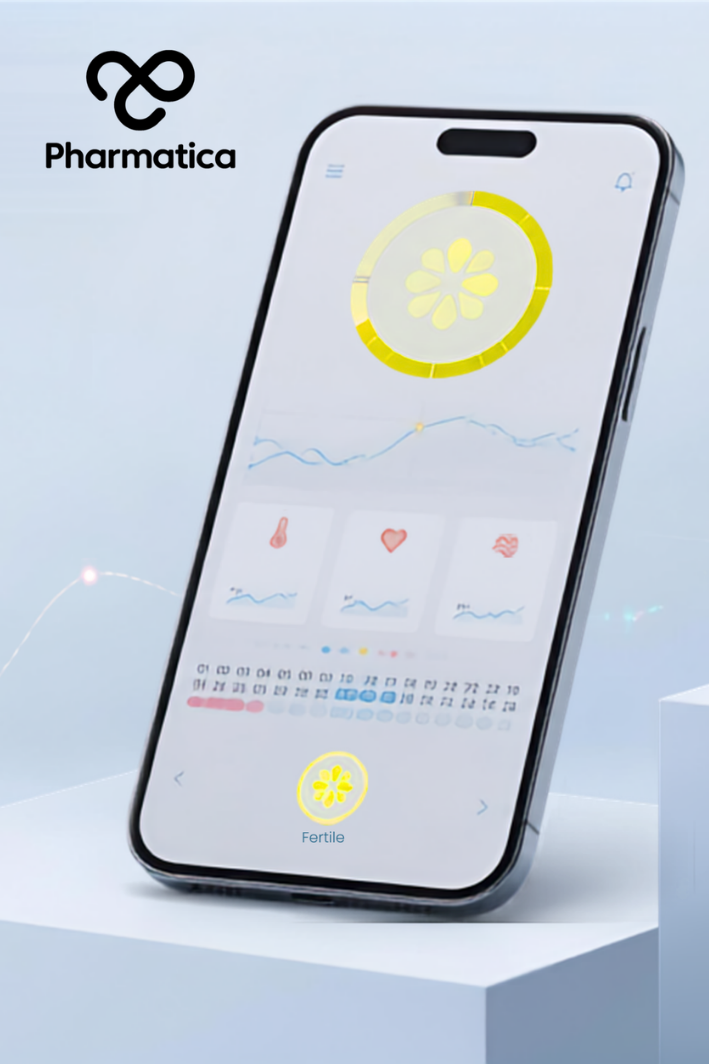
WHOOP and Natural Cycles show how wearable health data is moving into regulated digital health, creating new opportunities for women’s health and pharma.

Adaptive clinical trials can improve efficiency, reduce patient burden, and support faster development through structured, evidence-based flexibility.

RNA biosensors for diabetes could allow earlier diagnosis and better personalised care. Explore the power of AI monitoring and next-generation molecular diagnostics.

Patient and public involvement in clinical trials improves study design. Learn why better reporting is essential for transparent, patient-centred research.
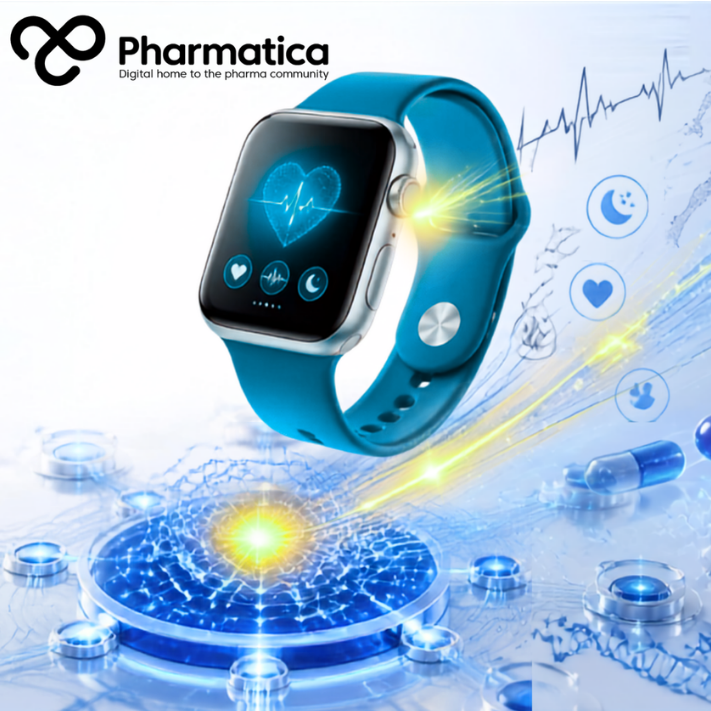
Google SensorFM was pretrained on over one trillion minutes of wearable data. Discover what this AI foundation model could mean for digital health and pharma.